




Improving Post-Hospital Outcomes for the Unhoused
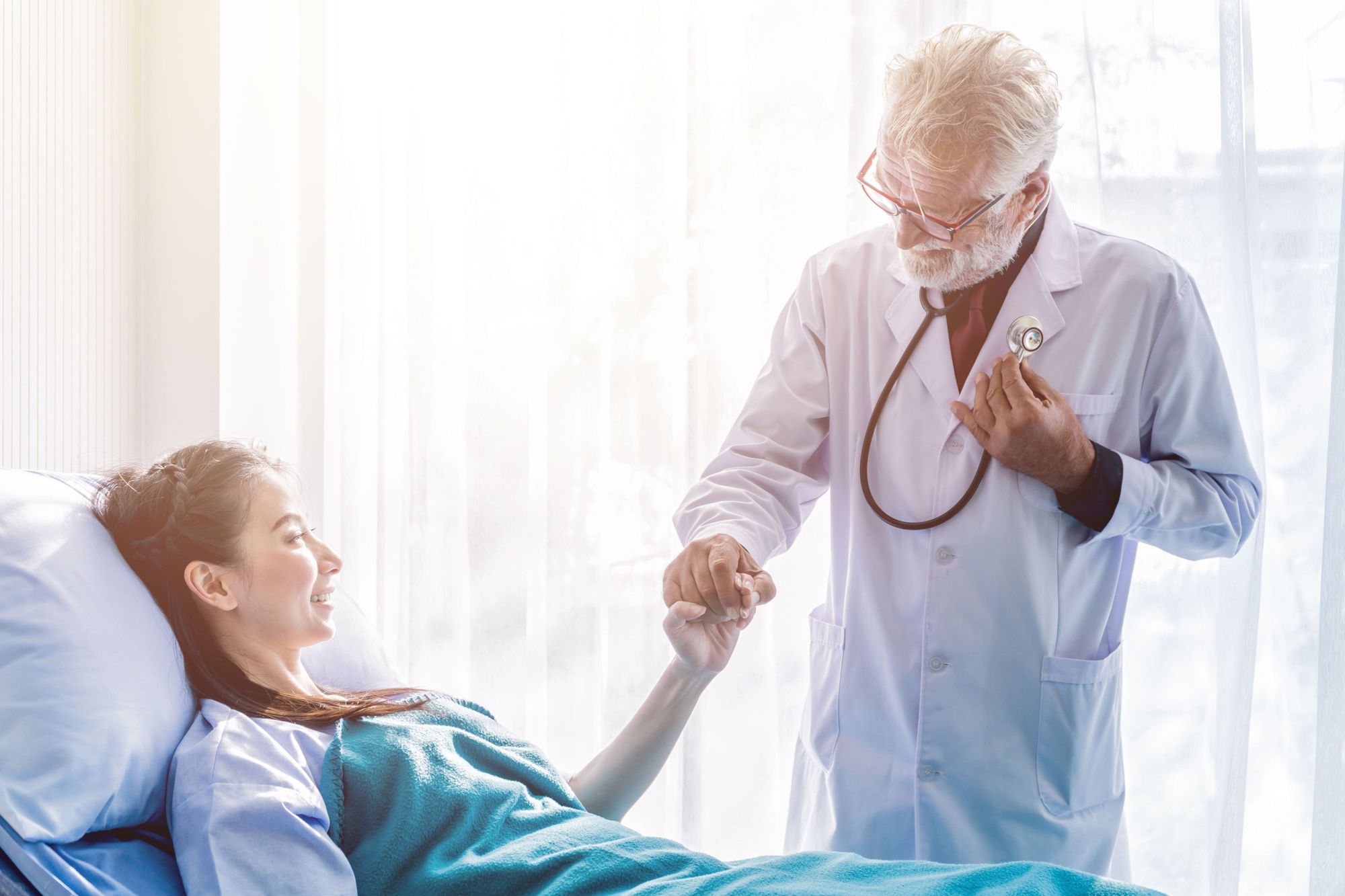
Physical recovery does not end when someone leaves the hospital — but for people without stable housing, it often has to.
Discharged with fresh wounds, healing bones, and post-operative instructions, many unhoused individuals find themselves on the streets, with no safe place to recover and no one to help. There's no quiet room to rest, no support in managing medications, or to check if a wound is healing.
This gap — between hospital discharge and recovery — is where too many people fall through, left without the care they need to heal.
In response to this urgent need, Chestnut Health Systems partnered with Home Sweet Home Ministries and launched a respite care program in Bloomington, IL in April 2025. Designed specifically for unhoused individuals, the program provides short-term, high-intensity outpatient care to those recovering from illness or injury. It is a small program, just a few beds to start, but each one represents something powerful: a place to heal with dignity, safety, and support.
The respite care program answered a long-standing need in the community. Shelters, such as Home Sweet Home and the Salvation Army, recognized the growing need for change.
Bekime Branch, Nurse Manager at Chestnut, recalls a story of a client who had hip replacement surgery. When he was discharged, he didn't have stable housing and had to sleep on the sidewalk. "That was noted between both shelters," Branch said. "The motivation [for this program] was to reduce suffering, increase comfort level, and improve success rates for people who would otherwise be unhoused after hospitalizations."
With three to five dedicated respite care beds, Home Sweet Home oversees day-to-day care. Chestnut provides medical oversight, including weekly visits from a nurse who monitors medications, cleans wounds, and educates patients about managing their own care.
Education is a key component for this program — enabling and empowering patients to take control of their health so when they leave, it's not just with prescriptions, but with the skills to stay well.
Patients see a primary care provider monthly at Chestnut Family Health Center in Bloomington. Home Sweet Home and Chestnut work together to coordinate transportation to and from the Health Center to ease transportation issues patients may face. This care is less about diagnostics and more about presence — building rapport and establishing trust.
"What we would hope to see," Branch said, "is an increasingly positive relationship with their nurse and their provider."
By building trust and connection, the goal is to get unhoused individuals established with a primary care provider who can guide them in understanding and accessing preventative care. This is a key step in creating spaces where patients — who often feel dismissed or unseen — can take an active role in managing their health and recovery.
Not everyone is eligible for respite care. Patients must meet the requirements set by Home Sweet Home and have a medical need. Chestnut also ensures individuals are well enough for outpatient care and willing to participate in their treatment. This means individuals with severe mental illness or active substance use may not qualify.
For those who do qualify, the experience is fundamentally different from a traditional shelter stay. Traditional shelters are not equipped to manage medical needs. Staff members may be prohibited from providing any medical care, including mobility assistance, medication management, and wound care. In respite care, a trained professional is on hand to provide these services.
Unlike traditional shelters, where stays are often time-limited, respite care allows people to remain until their condition improves. Health drives the timeline — not shelter policy. Chestnut and Home Sweet Home aim to create space for the next person in need, while ensuring no one is discharged before they are ready.
Once medically stable, the goal is for the individual to transition to a regular shelter bed, if additional housing support is needed.
Hospitals classify respite care as a type of home health service, which — due to insurance policies and regulations — need to take place in a recognized home setting. As shelters are not officially considered homes under these guidelines, hospitals face challenges in sending home health care workers to shelters, even when there is a desire to provide that support. "When there is no home to do home health care," Branch said, "they can't send someone out."
Similarly, discharging unhoused patients to nursing homes is rarely a viable option. While it may seem like a logical step, nursing homes often require documentation that many unhoused individuals do not have, such as identification, a permanent address, or proof of insurance. Even when a patient is eligible for Medicaid, processing delays or administrative barriers can make placement nearly impossible within the hospital's discharge window.
Without documentation, nursing homes are often unable to accept these patients, leaving hospitals in a bind: ready to discharge, but with nowhere appropriate for the patient to go.
This program was created to fill the gap where the formal systems ends. To meet people where they are, when no one else can. The hope is that one day, a direct hospital to respite bed pipeline will be established so patients can move seamlessly from one facility to another.
While respite care does not solve all the challenges unhoused individuals face, it does prevent unnecessary suffering. It reduces the risk of hospital readmission and provides the basic dignity of a safe space to recover.
No one should be discharged from surgery to a sidewalk. No one should be expected to manage open wounds on the street.
This program proves that a better model is possible. Healing should not depend on housing status. Recovery should not end at the hospital doors. Care does not end at discharge — it continues until healing is complete.
For more information about this program, please contact Matt Burgess, CEO at Home Sweet Home Ministries, at mburgess@hshministries.org.