




No One Left Behind: A Community Health Navigator Fights to Find Shelter for Those Experiencing Homelessness
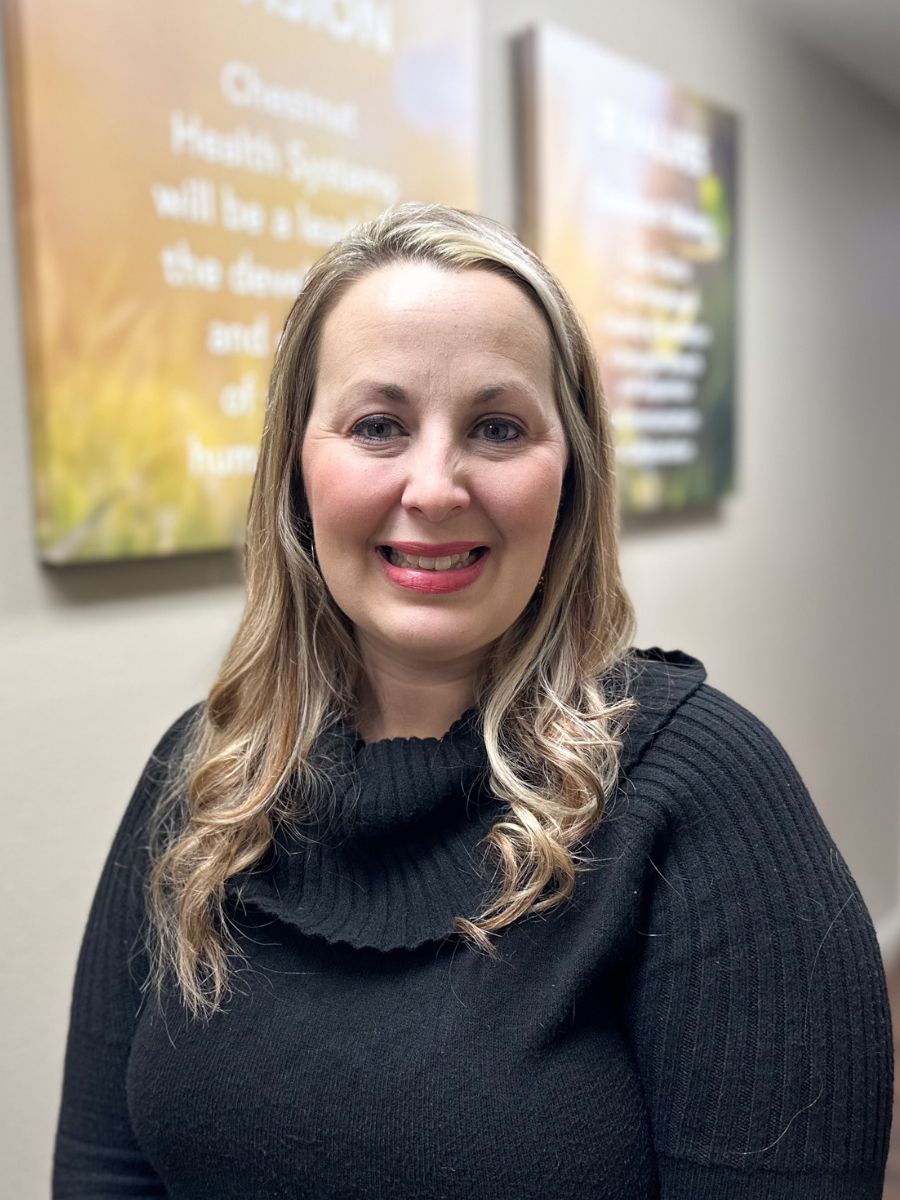
Jefferson County, MO, recently opened its first Emergency Overnight Shelter (EOS) at the Salvation Army in Arnold. Tara Lang played a key role in bringing this shelter to fruition, but the work has only just begun.
As a community health navigator for Chestnut Health Systems™, Lang has helped connect people to resources such as Medicaid, SNAP benefits, medical treatment, and food pantries in Jefferson County, MO, since early 2024. She quickly noticed a theme when she struggled to connect clients to housing assistance in the county with a population of 250,000.
“I remember having a conversation with my supervisor at the time… she said ‘you're not making any connections for that because there aren't any resources for housing. We don't have that in the county. We don't have transitional living resources. We don't have inclement weather resources. We just don't have it,’” Lang said.
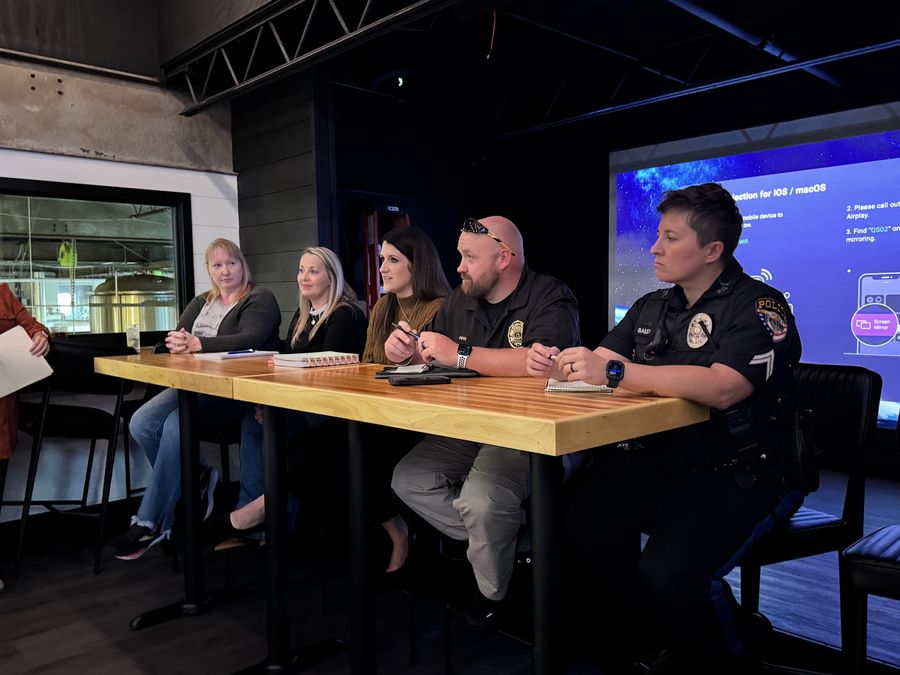
“Being a problem solver, I decided we have to do something about this.” New to the community health field, Lang found her calling.
“I have always been drawn to people and helping. I worked in Human Resources for 13-14 years and I always felt like there was more to life than serving corporate and making my organization a little bit better by interviewing candidates and doing hiring paperwork,” she said. “I got to a point where I realized the world is broken and I can be of service in other ways.”
Lang’s new mission in her role at Chestnut brought her to the Jefferson County council meetings every month. She has been using her five minutes of public speaking time to advocate for transitional living and an overnight shelter for inclement weather. After speaking, she punctuates her point by handing out a newsletter that featured stories of real people living without a safety net.
One newsletter told the story of a man who lost seven fingers, down to the knuckle, due to frostbite. A couple found him and collaborated with volunteers at St. Vincent de Paul to put him up in a hotel for three weeks, transport him to medical appointments, provide food, clothing, and personal care items, and even adapt his belongings — adding loops to his backpack, providing drawstring pants, and slip-on shoes — so he could regain some independence despite his injuries.
“This outpouring of support shows the power of community compassion,” Lang said. “But it also highlights a hard truth: support for people experiencing homelessness, especially during dangerous weather, is often pieced together reactively — not through a coordinated, sustainable system… With a coordinated infrastructure in place, we can not only prevent the tragic consequences of literally being left in the cold, but we can keep connected to the most vulnerable and ensure they are receiving the services they need and deserve.”
Her role requires her to help people stuck in heavy situations. It can’t help but get personal, such as when one of her clients was hit by a car and killed.
“He had been connected to resources, yet housing remained out of reach. Could transitional housing have saved him? Could it have offered the stability he needed to reclaim his place in the community? These are questions we’ll never be able to answer,” she asks herself about the incident.
Another newsletter issue told the story of a mother and her three children, who had fled a domestic violence situation. When all the shelters were full, the family prepared to sleep in a Wal-Mart parking lot. Hearing the baby cry, Lang used her own money to put them up in a hotel.
“This family did everything right. They left danger. They tried to find safety,” Lang said. “And still, they were almost sleeping in their car—with a baby. This story is not unique—it’s just one we happened to catch in time.”
Lang’s relentless advocacy has allied her with like-minded champions and helped tip the scales in favor of the cause. When Jefferson County opened their first emergency shelter, Lang volunteered for the very first night shift, 7 p.m. to 7 a.m.
“It was a great learning experience,” said Lang. “There were a few things that we changed as we are learning as we go, but it was good practice for us to prepare for the remaining season.”
The overnight shelter arrived after positive developments in July 2025, when the Festus City Council unanimously approved an initiative to build transitional housing to open in early 2027.
“They want to see how it goes,” Lang said. “The Festus facility will probably house 20 people at max. We're such a large county, we definitely need more.”
The work has just begun. Lang continues to meet clients where they are and help them navigate community resources. And the fight for more housing continues.
“Initiatives like transitional housing and designated inclement weather shelters are more than services — they are lifelines,” she said. “They offer dignity, safety, and a pathway forward for those facing hardship. These efforts also strengthen the entire community by ensuring no one is left behind.”
Community health navigators help connect clients to vital resources. Call 888.924.3786 or submit a request to learn more about these services.
To learn about Chestnut, visit www.chestnut.org and to learn how you can make a difference in the lives of others, visit www.chesnut.org/giving.