



Know the Signs, Know the Risks: Understanding Colon Cancer
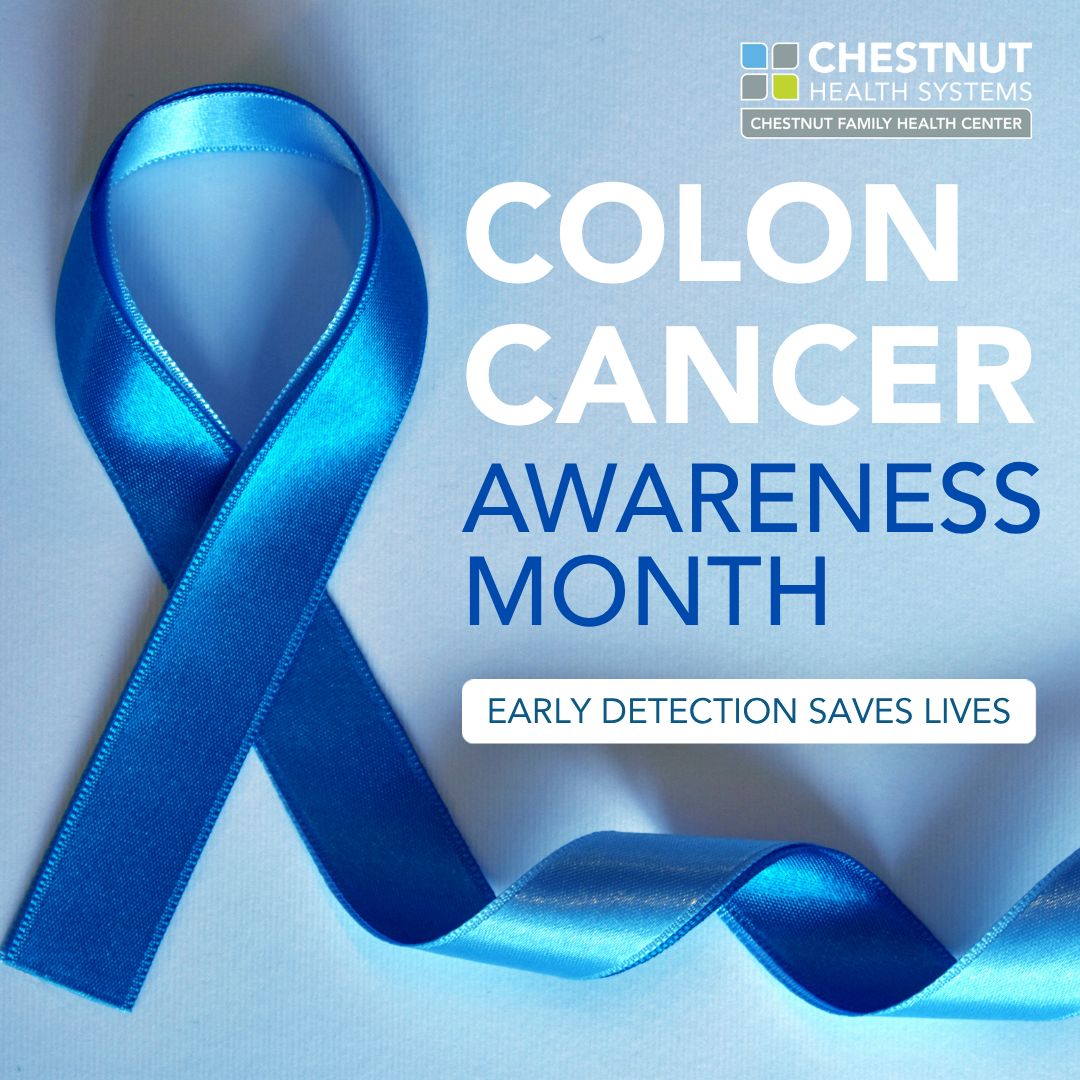
Colorectal (colon) cancer is the fourth most common cancer in adults (cdc.gov); however, it is also one of the most preventable and treatable cancers, especially when detected early.
Whether you're approaching mid-life or have a family history of colon cancer, understanding when and why to get screened is an essential part of protecting your long-term health.
Who is at Risk?
The risk for colon cancer increases with age, and most cases occur in people 50 years or older.
Lifestyle choices such as a lack of physical activity, poor diet, and substance use can raise the risk of developing colon cancer. Simple lifestyle changes can help to prevent the chance of colon cancer, such as:
- Engaging in physical activity for 30 minutes a day.
- Eating a diet high in fruits, vegetables, and fiber, and low in saturated fats and processed meals.
- Limiting alcohol consumption and avoiding tobacco.
A family history of colon cancer or other medical conditions like inflammatory bowel disease or Crohn's disease can increase the risk of colon cancer.
Screening for Colorectal Cancer
While colon cancer is one of the deadliest cancers in the United States, it is also highly treatable when caught early. That's why screening is essential.
According to the American Cancer Society, most people should begin colon cancer screenings at 45 years old. If a family history or other risk factors are present, screening may be recommended earlier than 45.
Several options are available to screen for colon cancer. Discuss with your provider which option in best for you.
- Colonoscopy is considered the best tool for colon cancer screening. It allows doctors to see inside the colon to find and remove polyps, or growths, that can develop into cancer.
- At-home tests look at the stool for possible signs of cancer or polyps, such as hidden or small amounts of blood.
- Other tests are available and may use X-rays or only look inside part of the colon.
While colonoscopies should be completed every ten years, other methods require more frequent screening and follow-up.
Don't Ignore Symptoms
Especially in early stages, colon cancer may not have any symptoms, increasing the need for frequent screening and early detection.
Some symptoms may include:
- A change in bowel habits like diarrhea, constipation, or feeling like your bowels are not completely empty, even after having a bowel movement.
- Persistent abdominal discomfort such as pain, nausea, cramping, bloating, or feeling unusually full, even when you haven't eaten much.
- You may notice rectal bleeding, or blood in the toilet, in your stool, or when wiping with toilet paper.
- Weakness, fatigue, and/or shortness of breath can be signs of anemia, or when the body has fewer red blood cells than normal. Anemia can develop from bleeding inside the body, such as a cancerous tumor.
- Unexplained weight loss.
Even if you are under 45 years old, see your healthcare provider if you have these symptoms.
Take Control of Your Health
Our team at Chestnut Family Health Center is here to support you in your journey to wellness and cancer prevention. We offer a range of treatment options tailored to you and your needs. We're here to answer questions, connect you to resources, and offer referrals to support your health.
Call 888.924.3786 or make an appointment today!