


What is Naloxone?
Naloxone rapidly reverses an opioid overdose by attaching to opioid receptors in the brain and blocking the effects of opioids such as heroin, fentanyl, oxycodone (OxyContin®), hydrocodone (Vicodin®), codeine, and morphine.
Naloxone can quickly restore normal breathing in a person experiencing an overdose, but it only works if opioids are present in the body. It has no effect on someone who has not taken opioids and is not a treatment for continued opioid use.
Is NARCAN® the Same as Naloxone?
Yes — NARCAN® is a brand name for an FDA-approved, prepackaged nasal spray form of naloxone. While people often refer to all naloxone products as “Narcan,” the correct generic name is naloxone, which comes in multiple forms.
How is Naloxone Given?
Naloxone is available in three FDA-approved forms, all designed to be used quickly and effectively during an overdose emergency:
- Auto-Injector (Evzio®): A preloaded device that injects naloxone into the thigh. It includes voice instructions that walk the user through each step, similar to an AED (automated external defibrillator).
- Injectable Naloxone: A liquid form that must be drawn from a vial and injected into a muscle, under the skin, or into a vein. This version is typically used by healthcare professionals or trained responders.
- Nasal Spray (NARCAN®): A pre-filled, needle-free device sprayed directly into one nostril while the person lays on their back. It requires no assembly, and is designed for use by anyone, even without medical training.
Improvised nasal kits using injectable naloxone are not FDA-approved and can be difficult to use correctly in an emergency. Whenever possible, use FDA-approved products.
All forms are safe, effective, and can be used in home or community settings. Regardless of the type, it’s important to know how to use naloxone before an emergency occurs. Free training is available through many pharmacies, health providers, and harm reduction organizations.
When to Use Naloxone
|
Use naloxone when a person shows signs of opioid overdose or if you suspect an overdose. Common signs include:
|
|
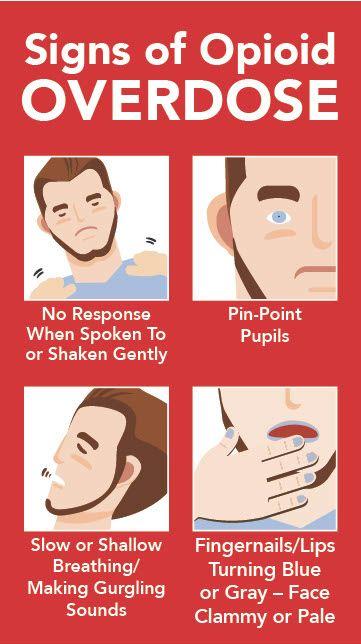
Call 911 immediately after giving naloxone. Its effects last 30 to 90 minutes, but opioids may remain in the body longer, and multiple doses of naloxone may be needed. Medical attention is critical.
Who Can Use Naloxone?
Anyone can give naloxone during an emergency. You do not need to be a healthcare professional. In most states, no prescription is needed to obtain it, and training is available from pharmacists, healthcare providers, or harm reduction groups.
What Are the Side Effects of Naloxone?
Side effects from naloxone are rare, but people might have allergic reactions to the medicine. It will not harm someone if they are not experiencing an opioid overdose.
In people who are dependent on opioids, naloxone may cause temporary withdrawal symptoms, such as:
- Headache
- Nausea or vomiting
- Rapid heart rate
- Sweating or shaking
These symptoms are uncomfortable, but not life-threatening and far less dangerous than untreated overdose.
Where Can I Get Naloxone?
You can get naloxone from:
- Pharmacies (often without a prescription)
- Local health departments
- Community-based harm reduction groups
As part of our mission, we have vending machines that provide free access to NARCAN®/naloxone. Community members can access the machines during regular business hours in the following Chestnut locations:
|
|
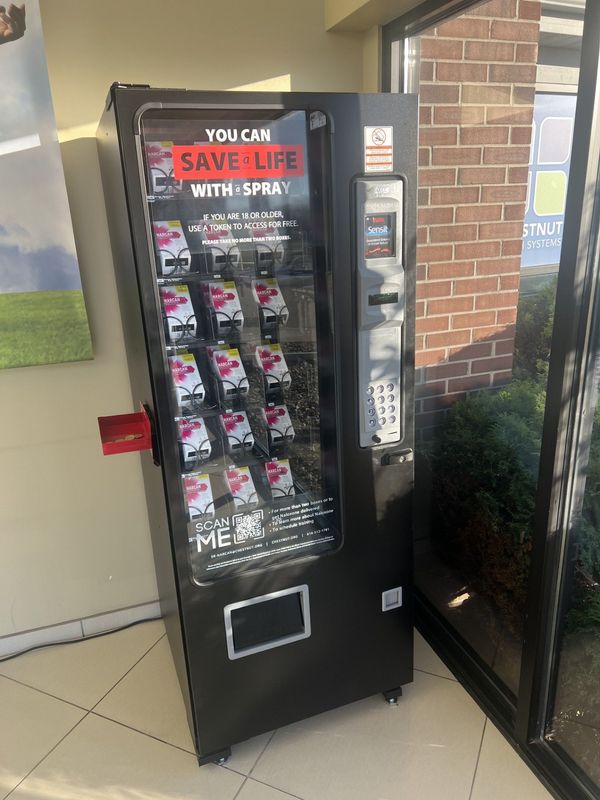
Anyone can enter the locations, with no questions asked, and dispense two boxes of NARCAN®. This service is confidential, and no personal information is required.
Cost and Insurance
The cost of naloxone varies based on the type, where you get it, and whether you have insurance. Many insurance plans cover naloxone. If you do not have insurance, check local pharmacies or community programs. Some manufacturers also offer cost assistance.
Free naloxone is also available through some harm reductions groups and health departments. To find a naloxone distribution center near you, visit the Illinois Department of Human Services.
Understanding Tolerance, Dependence, and Problematic Opioid Use
To better understand opioid use and the role of naloxone, it’s helpful to distinguish between tolerance, dependence, and challenges related to opioid use:
- Tolerance: Over time, a person may need higher or more frequent doses of opioids to feel the same effects.
- Dependence: With repeated use, the body may become physically dependent on opioids. This means withdrawal symptoms can occur if the person stops taking the drug, even when used as prescribed.
- Problematic Opioid Use (Addiction): A chronic disease characterized by compulsive, or uncontrollable, drug seeking and use despite harmful consequences and long-lasting changes in the brain.
Even people using opioids as prescribed can be at risk of overdose. Always have naloxone nearby if someone you know uses opioids, and let others know where it’s stored.
Naloxone should be a standard item in any opioid safety plan – just like a fire extinguisher or EpiPen.
For more information, including instructions and safety details, visit www.narcan.com.
Sources
National Institute on Drug Abuse; National Institutes of Health; U.S. Department of Health and Human Services.