




Recognizing Peer Specialists as Professionals
Before I really understood what a peer specialist was, my opinion was made up by someone else.
“Why would you pay a sponsor?” I heard a researcher scoff during a lab meeting. He was referring to sponsorship — the volunteer exchange of support rooted in recovery, found in the rooms of 12-step groups. He recoiled at the idea of compensating someone for empathy, accountability, and advice. And if that’s all peer specialists did, why pay them?
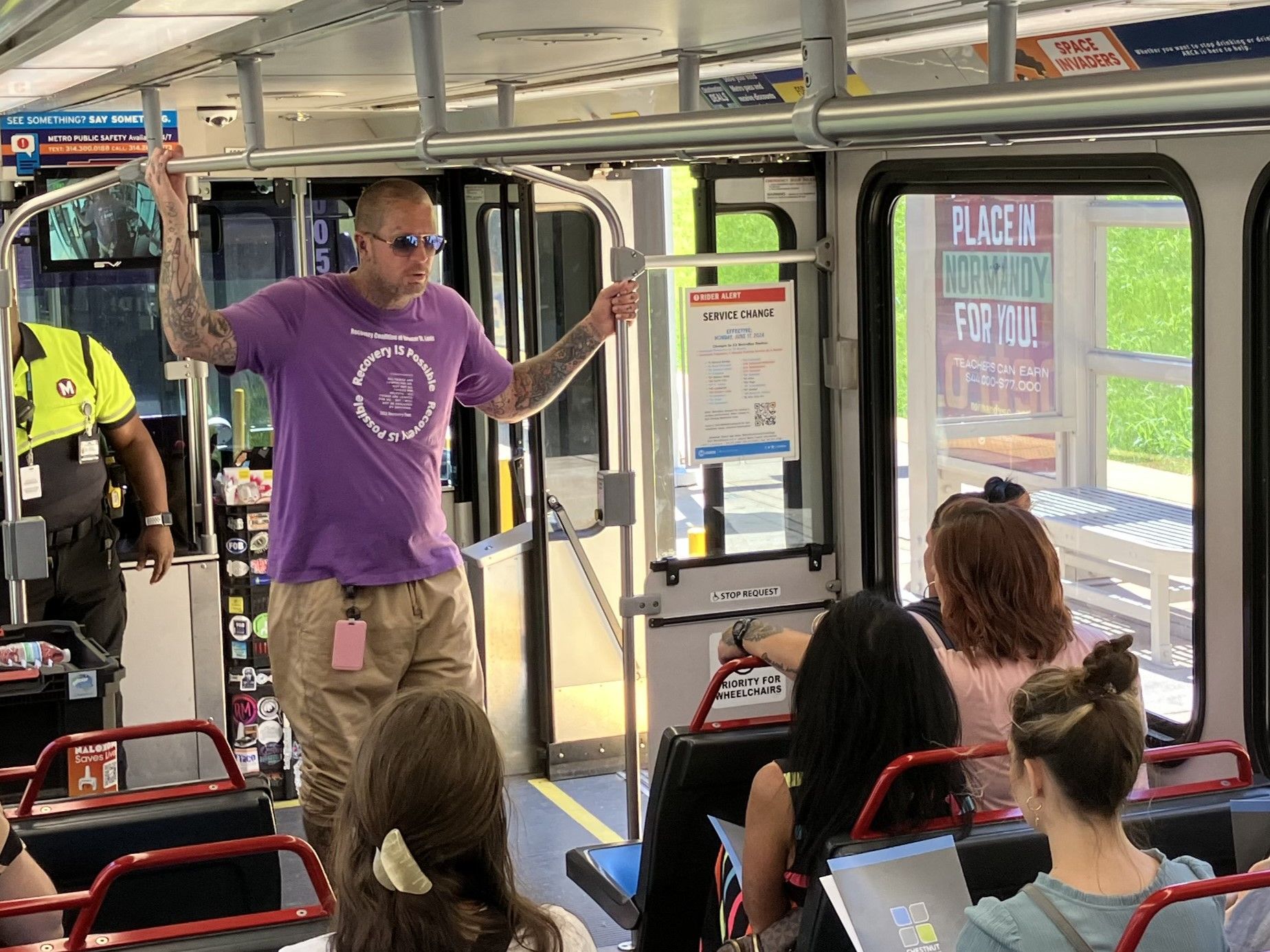
For a while, I also held that opinion. Until I actually met peer specialists on the ground, in recovery homes, harm reduction vans, crisis centers, even transit systems. They weren’t just offering advice. They were holding fractured systems together, finding someone housing before nightfall, riding the bus with them to their first mutual aid meeting, sitting in courtrooms, ERs, shelters.
They certainly aren’t failed (or aspiring) clinicians. They are professionals in their own right.
When I say peer specialists, or peer support, I’m talking about individuals with personal (lived) experience of recovery from mental health conditions, substance use, or both. These individuals have lived through the same systems — incarceration, hospitalization, the courts — and are trained to support others facing the same challenges. Their first training wasn’t in a classroom. From that, they offer something most others can’t: a presence that’s steady, real, and unfazed by chaos.
“I know where you’re at,” I heard a peer say, “but we can figure this out.”
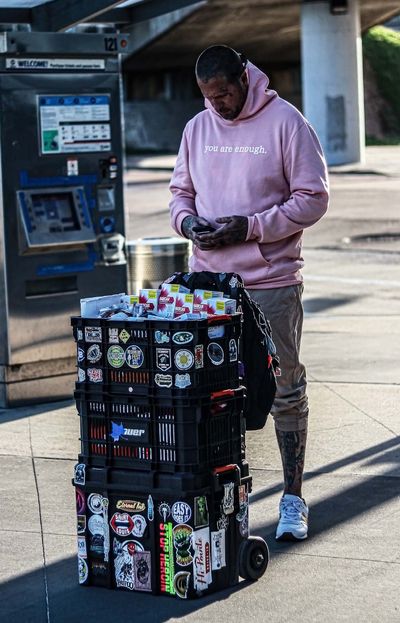
Outreach Specialist
I think of Shane Spurgeon, peer specialist at Chestnut Health Systems. Tattooed from head-to-toe, towering above rush hour crowds in the St. Louis Transportation Center. Shane could be seen as menacing, under some conditions. But here, to people experiencing homelessness or substance use issues, his appearance instantly melts the years of distrust they feel towards service providers.
As part of Chestnut’s MetroLink initiative, Shane rides the trains and walks the hubs of St. Louis’ transit system, handing out naloxone (Narcan®), reversing overdose, and linking people to services on the spot. But mostly, he talks. He listens. His expertise shows by how he earns trust — by not flinching, by not judging, and by showing up again the next day.
Still, not everyone sees peer support that way. Some call it “paraprofessional,” “non-clinical,” or “non-professional” work — all polite ways of saying “less than.” But this shows some ignorance to the history of counselors, nurses, even doctors. None of these professions started in boardrooms. They were built from the ground up.
Sociologist Andrew Abbott described how occupations professionalize: they develop shared competencies, form accrediting bodies, define scopes of practice, and fight for their labor rights. The peer workforce has been doing that work for more than two decades.
In 2015, the Substance Abuse and Mental Health Services Administration (SAMHSA) published the first widely cited core competencies for peer workers. As of 2023, almost every state had a formal credentialing process for peer specialists. And they’re getting paid — at least 43 states reimburse peer services through Medicaid. Peers are also beginning to organize. Recovery community organizations are developing their own certification standards. National organizations, such as the National Association for Peer Supporters and the National Association for Alcoholism and Drug Abuse Counselors (NAADAC), the Association for Addiction Professionals, are advocating specifically for peers.
There’s still a long way to go before peers are treated with the same respect, stability, and resources as clinicians. But you can’t tell me this workforce aren’t professionals. They’ve done the work. And they’re still doing it, often while underpaid, misclassified, and misunderstood.
Once you reframe this conversation — to go from comparing peer specialists to sponsors, to comparing them to doctors or clinicians — it creates the solutions that we need to grow and sustain the workforce.
Just like any other profession, peers need career ladders, leadership roles, and long-term investment.
To learn more about the peer support workforce and research surrounding it, visit sciencedirect.com.
 About the Author
Author
Justin S. Bell, PhD
Title
Postdoctoral Fellow
Bio
Dr. Justin S. Bell is a community psychologist and person in long-term recovery whose work explores how we can better support the people and programs that make recovery possible. He studies peer recovery specialists and other lived-experience-based roles, focusing on how to improve working conditions, ensure sustainability, and strengthen integration into treatment systems. Blending psychology, public health, and implementation science, Justin's research aims to build more equitable and effective recovery support systems.