



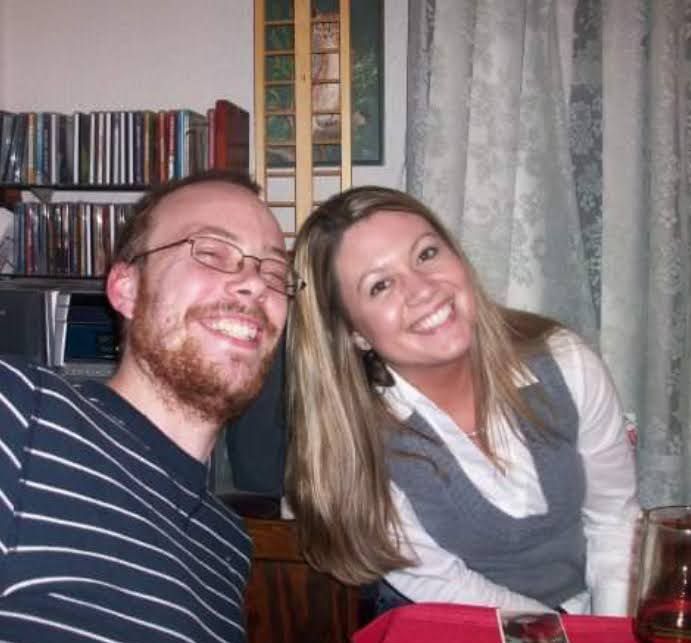
Ryan Hill once woke up with a sheet over his head.
The future Chestnut Peer Specialist / Clinician peeled the sheet off to reveal shocked nurses. He had been dead for two minutes.
Not a lot of people get a second chance. Hill has done a lot with his.

Most Americans think it’s difficult to find care for substance use issues. In fact, less than one-third of the U.S. population (28%) lives in an area where there are enough mental health professionals to meet the needs of the population. More people know someone with a substance use disorder (SUD) than ever before, but workforce shortages mean that even those ready for help often face long wait times, or find no resources at all.
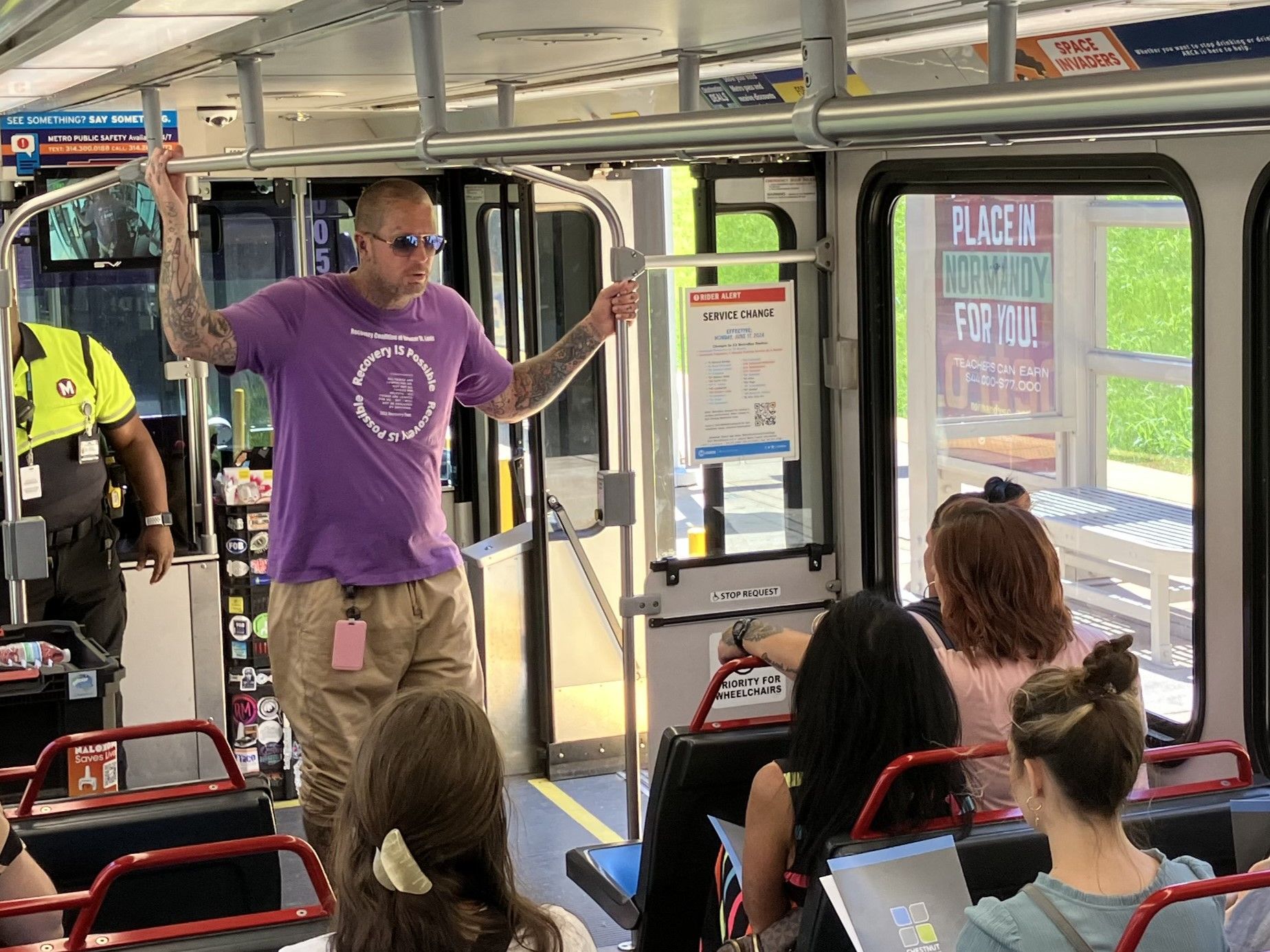
Before I really understood what a peer specialist was, my opinion was made up by someone else.
“Why would you pay a sponsor?” I heard a researcher scoff during a lab meeting. He was referring to sponsorship — the volunteer exchange of support rooted in recovery, found in the rooms of 12-step groups. He recoiled at the idea of compensating someone for empathy, accountability, and advice. And if that’s all peer specialists did, why pay them?