





Recovery Support and Connection to Community
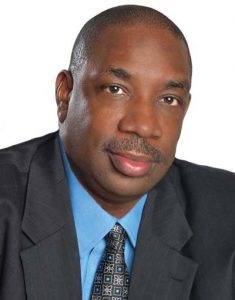
Museum of African American Addictions Recovery

Recovery within Rural and Frontier Communities

Members of historically disempowered and stigmatized groups (e.g., women, people of color, members of the LGBT community, religious minorities, etc.) have long been subjected to overt aggression from the dominant cultures in which they are nested.
Successful social movements permeate key areas of cultural life, as is evidenced by the pervasive and enduring influence of the civil rights, womens, disability, and LGBT rights movements in the United States.

Beyond Historical Trauma

Is it possible we are seeing the rise of a new generation of scholar activists who combine the experiential knowledge of addiction recovery, academic excellence, and a desire to give back through recovery-focused research, writing, teaching, and advocacy activities?

Recovery Representation
Multiple pathways and styles of addiction recovery are evident in the worldwide growth of secular, spiritual, and religious recovery mutual aid organizations as well as in the growing recognition of people achieving recovery outside of the frameworks of professional treatment and peer recovery support communities.

Opioid-Affected Families and Children