



On May 14, 2015, Altarum Institute hosted a policy roundtable on community-based solutions to addiction in the United States.
For the past 35 years, the United States has been involved in what many consider to be failed efforts to incarcerate its way out of its addiction problem.

In 1997, Michael Boyle, the CEO of Fayette Companies, the primary behavioral health provider in Peoria, Illinois had a visionary idea: redesign addiction treatment based on models of chronic disease management that are emerging within primary health care.
In recovery, people lead full, productive and healthy lives.

The death of a person undergoing medical treatment is cause for serious reflection on the part of caregivers.
Federal, state, and local behavioral health authorities have continued to embrace Recovery Management (RM) and Recovery-oriented Systems of Care (ROSC) as new organizing paradigms for addressing substance use and mental health disorders at clinical and community levels.
Collegiate Recovery

Between 1986 and 2003, I served as the evaluator of an innovative approach to the treatment of addicted women with histories of neglect or abuse of their children.
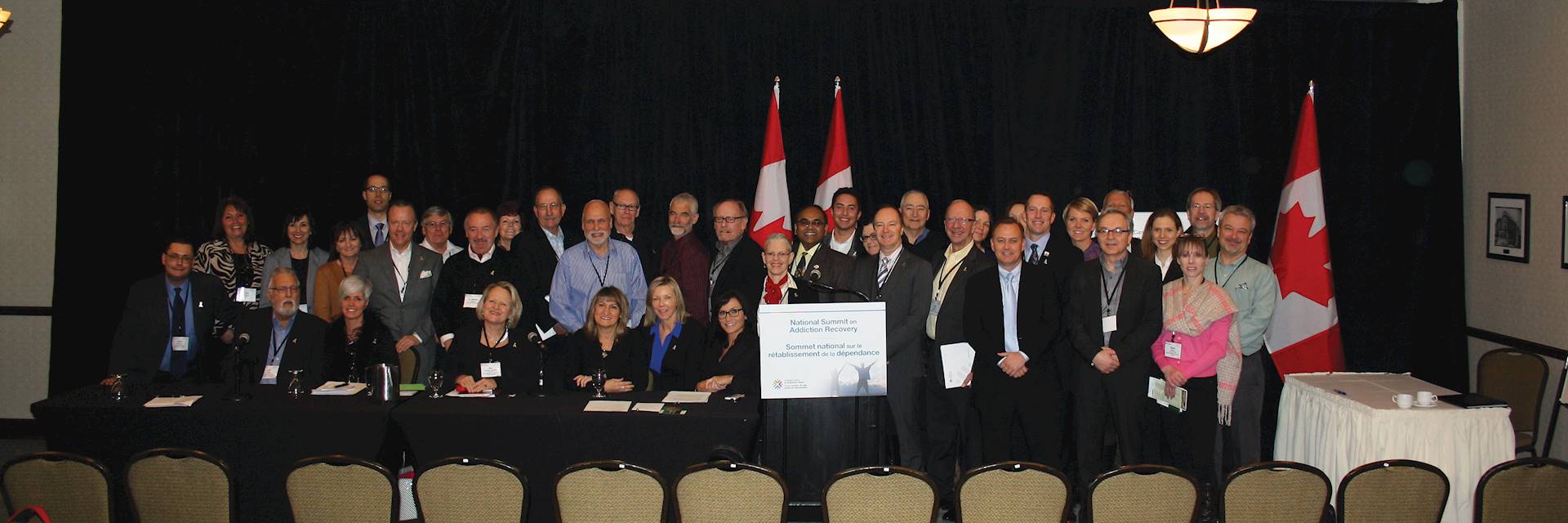
I have been delighted in recent years to witness the blossoming of a recovery advocacy movement in Canada.