




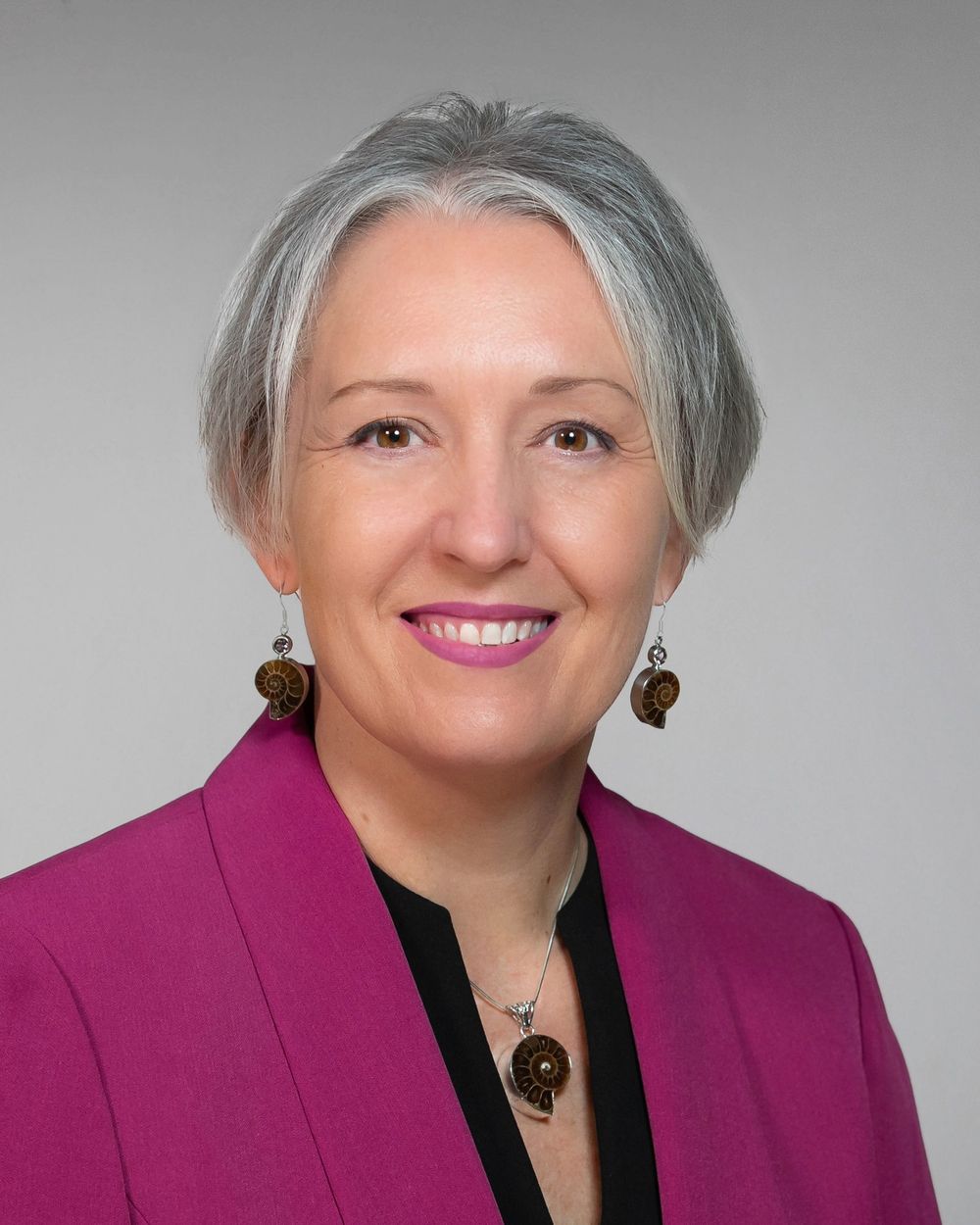
Senior Research Scientist
Graduated University of Illinois at Chicago, 2001 (Clinical Psychology)
Specialty areas: services research; adolescents and emerging adults; substance use; recovery support services; training and support for providers; mentoring early career investigators
Ashli Sheidow is a clinical psychologist researching socioecological treatments and services for teens and emerging adults, particularly those who have substance use problems and legal system involvement. She is a services researcher who is also focused on effective ways to get evidence-based practices into the “real world,” especially through improving training and support for community-based providers and task-shifting in low-resourced environments like rural communities. Finally, her work emphasizes recovery support services and community-engaged research with and by people who have lived experience in recovery and the legal system. While she does not have direct lived experience, she has indirect lived experience with substance use problems throughout multiple generations of her extended family. Before joining Chestnut, Ashli was Senior Research Scientist and Science Director at the Oregon Social Learning Center and, prior to that, she was Professor in the Family Services Research Center of the Medical University of South Carolina. She earned her PhD in 2001 in clinical psychology from the University of Illinois at Chicago, where she trained at the Institute for Juvenile Research and Cook County Hospital. Ashli led the development of Multisystemic Therapy for Emerging Adults (MST-EA), an adaptation of MST for legal system involved emerging adults with serious behavioral health conditions. She also developed an entirely web-based Training and Support System (TSS) for community-based providers of Contingency Management. Most recently, she utilized the TSS in showing that juvenile probation officers, including those in rural and frontier communities, could effectively deliver a family-based version of Contingency Management to youth and their caregivers. Ashli’s nascent work in recovery support services and recovery capital for emerging adults and individuals involved in the legal system is breaking new ground. In addition to these foci, she is passionate about mentoring and supporting the next generation of investigators, particularly those with lived experience or from populations underrepresented in NIH funding.
Selected Publications:
Sheidow, A. J., McCart, M. R., Chapman, J. E., & Drazdowski, T. K. (2020). Capacity of juvenile probation officers in low-resourced, rural settings to deliver an evidence-based substance use intervention to adolescents. Psychology of Addictive Behaviors, 34(1), 76–88. PMCID: PMC7007313. https://doi.org/10.1037/adb0000497
Sheidow, A. J., McCart, M. R., & Drazdowski, T. K. (2022). Family-based treatments for disruptive behavior problems in children and adolescents: An updated review of rigorous studies (2014-April 2020). Journal of Marital and Family Therapy, 48, 56–82. PMCID: PMC8761163. https://doi.org/10.1111/jmft.12567
Sheidow, A. J., McCart, M., Zajac, K., & Davis, M. (2012). Prevalence and impact of substance use among emerging adults with serious mental health conditions. Psychiatric Rehabilitation Journal, 35, 235–243. PMCID: PMC3767039. https://doi.org/10.2975/35.3.2012.235.243
Sheidow, A. J., Zajac, K., Chapman, J. E., McCart, M. R., & Drazdowski, T. K. (2021). Randomized controlled trial of an integrated family-based treatment for adolescents presenting to community mental health centers. Community Mental Health Journal, 57, 1094–1110. PMCID: PMC8081741. https://doi.org/10.1007/s10597-020-00735-z
Davis, M., Sheidow, A. J., McCart, M. R., & Perrault, R. T. (2018). Vocational coaches for justice-involved emerging adults. Psychiatric Rehabilitation Journal, 41(4), 266–276. PMCID: PMC6776998. https://doi.org/10.1037/prj0000323
Davis, M., Sheidow, A. J., & McCart, M. R. (2015). Reducing recidivism and symptoms in emerging adults with serious mental health conditions and justice system involvement. Journal of Behavioral Health and Services Research, 42, 172–190. PMCID: PMC4294988. https://doi.org/10.1007/s11414-014-9425-8
Rudes, D. S., Viglione, J., Sheidow, A. J., McCart, M. R., Chapman, J. E., & Taxman, F. S. (2021). Juvenile probation officers’ perceptions on youth substance use varies from task-shifting to family-based contingency management. Journal of Substance Abuse Treatment, 120, Article 108144. PMCID: PMC7733030. https://doi.org/10.1016/j.jsat.2020.108144
Chapman, J. E., Sheidow, A. J., Henggeler, S. W., Halliday-Boykins, C. A., & Cunningham, P. B. (2008). Developing a measure of therapist adherence to contingency management: An application of the many-facet Rasch model. Journal of Child and Adolescent Substance Abuse, 17, 47–68. PMCID: PMC2944267. https://doi.org/10.1080/15470650802071655
Sheidow, A. J., Jayawardhana, J., Bradford, W. D., Henggeler, S. W., & Shapiro, S. B. (2012). Money matters: Cost effectiveness of juvenile drug court with and without evidence-based treatments. Journal of Child and Adolescent Substance Abuse, 21, 69–90. PMCID: PMC3290130. https://doi.org/10.1080/1067828X.2012.636701
Sheidow, A. J., Bradford, W. D., Henggeler, S. W., Rowland, M. D., Halliday-Boykins, C., Schoenwald, S. K., & Ward, D. M. (2004). Treatment costs for youths receiving multisystemic therapy or hospitalization after a psychiatric crisis. Psychiatric Services, 55, 548–554. https://doi.org/10.1176/appi.ps.55.5.548
Selected Grants and Contracts:
Multiple Principal Investigator: Building a Lasting Foundation to Advance Actionable Research on Recovery Support Services for High Risk Individuals: The Initiative for Justice and Emerging Adult Populations (JEAP Initiative) [and Diversity Supplement for Underrepresented Minorities] (MPIS: Sheidow/McCart. R24 DA051950, 2020–2025)
Principal Investigator: Improving Access to Substance Abuse Evidence-Based Practices for Youth in the Justice System: Strategies Used by JPOs [and HEAL Prevention Supplement focused on Opioid Use Disorders in Emerging Adults] (R01 DA041434, 2016–2024)
Multiple Principal Investigator: Treatment of Justice-Involved Emerging Adults with Substance Use Disorders (MPIs: Sheidow/Davis. R01 DA041425, 2016–2024)
Co-Investigator: Collaborative Hub for Emerging Adult Recovery Research (CHEARR) (PI: Zajac. R24 DA057632, 2022–2027)
Co-Investigator: Enhancing Substance Use Treatment Services to Decrease Dropout and Improve Outpatient Treatment Utilization in Emerging Adults (PI: Zajac. R01 DA051671, 2021–2026)
Co-Investigator: Linking a Pediatric Healthcare Advance with a Task-Shifting Approach to Optimize Juvenile Justice Outcomes [and Diversity Supplement for Underrepresented Minorities] (PI: McCart. R01 DA050669, 2020–2025)
Co-Investigator: Leveraging Parents and Peer Recovery Supports to Increase Recovery Capital in Emerging Adults with Polysubstance Use: Feasibility, Acceptability, and Scaling Up of Launch (PI: Drazdowski. R34 DA057639, 2022–2025)
Co-Investigator: HEAL Connections: Leveraging Partnerships and Targeted Dissemination to Advance Uptake (PI: Taxman. OT2 OD034479, 2022–2027)
Appointments and Awards:
NIH HEAL Director’s Award for Mentorship (2024)
Medical University of South Carolina (MUSC) Peggy Schachte Research Mentor Award (2013)
HEAL Initiative Lived Experience Panel
Centers
Diversity Supplement: Building a Lasting Foundation to Advance Actionable Research on Recovery Support Services for High Risk Individuals with Opioid Use Disorder: The Initiative for Justice and Emerging Adult Populations (JEAP)
The goals of this diversity supplement to the JEAP Initiative are to (1) Conduct a systematic review of recovery capital measurement...
Screening, Brief Intervention, & Referral to Services (SBIRS) for School Personnel + Strengthening Parent Awareness, Rapport, and Communications (SPARC)
This is part of the National Media Campaign to Prevent and Reduce Underage Drinking and Other Substances – STOP Act, and provides expert input into training and dissemination materials as part of the TTHY campaign.
Collaborative Hub for Emerging Adult Recovery Research (CHEARR)
Emerging adults (16-25) are particularly affected by the opioid crisis.
HEAL Connections: Partnering to Accelerate Research into Action (HEAL Connections)
In response to the public health emergency of opioid misuse, addiction, and overdose, the NIH intends to deliver as quickly as possible the results of NIH’s Helping to End Addiction Long-term (HEAL) initiative research so communities and providers can make evidence-based decisions...
Enhancing Substance Use Treatment Services to Decrease Dropout and Improve Outpatient Treatment Utilization in Emerging Adults (P2P)
Emerging adults (EAs; 18-25) have the highest rates of substance use disorders and are particularly affected by the opioid crisis. They also tend to drop out of treatment more frequently and use services less than other age groups, leading to worse outcomes like continued substance use, incarceration, and overdose.
Building a Lasting Foundation to Advance Actionable Research on Recovery Support Services for High Risk Individuals with Opioid Use Disorder: The Initiative for Justice and Emerging Adult Populations (JEAP)
The JEAP Initiative will advance research on the efficacy/effectiveness of peer recovery supports and recovery residences for public-system involved emerging adults...
Family-based Recovery Support Service Network for Youth OUD (CoARS)
The Consortium on Addiction Recovery Science (CoARS) is funded by NIDA and coordinated by Dr. Aaron Hogue (PI).
Linking a Pediatric Healthcare Advance with a Task-Shifting Approach to Optimize Juvenile Justice Outcomes (LEAP)
Juvenile justice serves over a million cases annually and is a primary source for substance use and behavior treatment referrals
Batrony Ciné, R. Y., & Sheidow, A. J. (2020, March 15–18). Better outcomes for youth and young adults involved in cross-systems [Conference presentation]. Annual Research & Policy Conference on Child, Adolescent, and Young Adult Behavioral Health, Tampa, FL.
Buell, E., Hibbard, P. F., Sheidow, A. J., McCart, M. R., & Drazdowski, T. K. (2023, June 17–21). Recovery support services research priorities developed by people with lived expertise [Poster presentation]. The College on Problems of Drug Dependence 85th Annual Scientific Meeting, Denver, CO, United States.
Chapman, J. E., McCart, M. R., Letourneau, E. J., & Sheidow, A. J. (2013, November 21-24). Comparison of youth, caregiver, therapist, trained, and treatment expert raters of therapist adherence to a substance abuse treatment protocol. In M. A. Southam-Gerow (Chair), Applications of treatment integrity research to dissemination and implementation research [Symposium presentation]. Annual meeting of the Association for Behavioral and Cognitive Therapies, Nashville, TN.
Chapman, J. E., McCart, M. R., Sheidow, A. J., & Letourneau, E. J. (2010, September). The use of Rasch and Many-Facet Rash Models to compare untrained and partially-trained raters in the measurement of therapist adherence. In R. Lennox (Chair), Applications in Mental Health [Symposium presentation]. International Conference on Outcomes Measurement, Bethesda, MD.
Chapman, J. E., Sheidow, A. J., & Henggeler, S. W. (2008, September 11-13). Rasch-based development and evaluation of a test for measuring therapist knowledge of contingency management for adolescent substance use [Paper presentation]. International Conference on Outcomes Measurement, Bethesda, MD.
Chapman, J. E., Sheidow, A. J., & Henggeler, S. W. (2010, September). Rasch-based evaluation of a test for measuring longitudinal changes in therapist knowledge of an evidence-based treatment for adolescent substance use. In J. Mazza (Chair), Substance Abuse Measurement [Symposium presentation]. International Conference on Outcomes Measurement, Bethesda, MD.
Conklin, C. A., Perkins, K. A., Sheidow, A. J., Jones, B. L., Levine, M. D., & Marcus, M. D. (2005). The return to smoking: One year relapse trajectories among female smokers. Nicotine and Tobacco Research, 7, 533–540. https://doi.org/10.1080/14622200500185371
Conklin, C. A., Sheidow, A. J., Perkins, K. A., Levine, M. D., & Marcus, M. D. (2002, March 21-22). The return to smoking: One year relapse trajectories among female smokers [Poster presentation]. Annual meeting of the Society for Research on Nicotine and Tobacco, Savannah, GA.
Connor, L., McCart, M. R., & Sheidow, A. J. (2022, July 3–8). Multisystemic therapy for emerging adults (MST-EA): Clinical and delivery model overview [Conference presentation]. Annual Meeting of the International Congress on Law and Mental Health, Lyon, France.
Cunningham, P. B., Rowland, M. D., Schoenwald, S. K., Swenson, C. C., Henggeler, S. W., Sheidow, A. J., Navas-Murphy, L., Randall, J., & Donohue, B. (2008). Implementing Contingency Management for adolescent substance abuse in outpatient settings (2nd ed.). Family Services Research Center, Medical University of South Carolina.
Cunningham, P. B., Sheidow, A. J., Henggeler, S. W., Chapman, J. E., Donohue, B. C., & Ford, J. D. (2006, June 1-3). Transporting contingency management for youth treated with Multisystemic Therapy [Paper presentation]. Second International Interdisciplinary Conference on Clinical Supervision, Buffalo, NY.
Danielson, C. K., Adams, Z., McCart, M. R., Chapman, J. E., Sheidow, A. J., Walker, J., Smalling, A., & de Arellano, M. A. (2020). Safety and efficacy of exposure-based risk reduction through family therapy for co-occurring substance use problems and posttraumatic stress disorder symptoms among adolescents: A randomized clinical trial. JAMA Psychiatry, 77(6), 574–586. https://doi.org/10.1001/jamapsychiatry.2019.4803
Davis, M., & Sheidow, A. (2012, March). Individual fidelity measure development for multisystemic therapy for emerging adults. In J. Walker (Chair), Knowing what is being implemented in a transition service system: Fidelity and quality improvement processes and tools [Symposium presentation]. Annual Research & Policy Conference on Child, Adolescent, and Young Adult Behavioral Health, Tampa, FL.
Davis, M., & Sheidow, A. (2012, March). Using life coaches to provide vocational supports to emerging adults. In M. Davis (Chair), Learning and working during the transition to adulthood [Symposium]. Annual Research & Policy Conference on Child, Adolescent, and Young Adult Behavioral Health, Tampa, FL.
Davis, M., & Sheidow, A. J. (2009, March). Identifying and helping transition age youth at risk of arrest. In M. Davis (Chair), Advances in services for transition age youth [Symposium presentation]. Annual Research & Policy Conference on Child, Adolescent, and Young Adult Behavioral Health, Tampa, FL.
Davis, M., & Sheidow, A. J. (2014, March). Multisystemic therapy for emerging adults [Symposium presentation]. Annual Research & Policy Conference on Child, Adolescent, and Young Adult Behavioral Health, Tampa, FL.
Davis, M., Sheidow, A. J., & Cruz, M. (2022, July 3–8). Engaging emerging adults as partners in research [Conference presentation]. Annual Meeting of the International Congress on Law and Mental Health, Lyon, France.
Davis, M., Sheidow, A. J., & McCart, M. R. (2013, September 30-October 2). Multisystemic therapy for emerging adults (MST-EA): Treating emerging adult offenders who have mental health conditions [Presentation]. Annual International Conference on Youth Mental Health, Brighton, UK.
Davis, M., Sheidow, A. J., & McIntyre-Lahner, A. (2010, August 12-15). Multisystemic therapy for emerging adults with serious mental illness. In C. E. Henderson (Chair), Juvenile justice systems change through adoption of evidence-based practices [Symposium presentation]. Annual meeting of the American Psychological Association, San Diego, CA.
Drazdowski, T. K., Coetzer-Liversage, A. P., Stein, L. A. R., Tilson, M., Watson, D. P., Hoffman, L. A., Hogue, A., Castedo de Martell, S., Hagaman, A. M., Greene, R. N., Satcher, M. F., Hibbard, P. F., Dewey, J. M., Sheidow, A. J., & Vest, N. (2025). Supporting linkage facilitators working with persons with opioid use disorder: Challenges, advances, and future directions. Frontiers in Public Health, 13, Article 1587101. https://doi.org/10.3389/fpubh.2025.1587101
Drazdowski, T. K., Kelly, L., Livingston, N. R., Sheidow, A. J., & McCart, M. R.(2025). Within-Person Bidirectional Relations Between Sleep Problems and Alcohol, Cannabis, and Co-Use Problems in a Representative U.S. Sample. Substance Use & Misuse, 60(12), 1923–1932. https://doi.org/10.1080/10826084.2025.2523458
Drazdowski, T. K., Kelton, K., Sheidow, A. J., McCart, M. R., & Chapman, J. E.(2025, March 18-20). Probation/parole officer perceptions of young adult substance use in rural settings. In Supporting recovery of rural youth & emerging adults on community supervision: Provider perspectives [symposium]. Joint Meeting on Youth Prevention, Treatment, and Recovery, Baltimore, MD.
Drazdowski, T. K., Sheidow, A. J., McCart, M. R., & Chapman, J. E. (2022, April 6–7). Training probation officers in contingency management for emerging adults to increase access to substance use services [Conference presentation]. 15th Annual Academic and Health Policy on Criminal Justice Health Conference, Virtual
Drazdowski, T. K., Sheidow, A. J., McCart, M. R., & Chapman, J. E. (2023, February 21–22). Leveraging parents and peer recovery supports to increase recovery capital in emerging adults with polysubstance use: Feasibility, acceptability, and scaling up of Launch– Protocol overview [Poster presentation]. 4th Annual NIH HEAL Initiative Investigator Meeting, Bethesda, MD, United States
Drazdowski, T. K., Sheidow, A. J., McCart, M. R., & Perrault, R. (2024, February 7–8). Emerging adult participant research values activity to increase retention in health services research [Poster presentation]. National Institutes of Health Helping to End Addiction Long-term Initiative 5th Annual Scientific Meeting, Bethesda, MD, United States.
Drazdowski, T. K., Sheidow, A. J., McCart, M. R., Chapman, J., & Pasman, E. (2026, June 13–17). Task-shifting recovery support: Implementation challenges for leveraging social networks for rural emerging adults with substance use disorders [Poster presentation]. College on Problems of Drug Dependence 88th Annual Scientific Meeting, Portland, OR, United States.
Drazdowski, T. K., Solomon, P., McTier, T., Sheidow, A. J., & Hibbard, P. F. (2026, June 13–17). Community-based participatory research (CBPR) with individuals with criminal legal system lived experience to improve substance use research [Workshop]. College on Problems of Drug Dependence 88th Annual Scientific Meeting, Portland, OR, United States.
Ellis, D. A., Naar-King, S., Templin, T., Frey, M., Cunningham, P. B., Sheidow, A. J., Cakan, N., & Idalski, A. (2008). Multisystemic therapy for adolescents with poorly controlled type 1 diabetes: Reduced diabetic ketoacidosis admissions and related costs over 24 months. Diabetes Care, 31, 1746–1747. https://doi.org/10.2337/dc07-2094
Henggeler, S. W., Chapman, J. E., Rowland, M. D., Sheidow, A. J., & Cunningham, P. B. (2013). Evaluating training methods for transporting contingency management to therapists. Journal of Substance Abuse Treatment, 45, 466–474. https://doi.org/10.1016/j.jsat.2013.06.008
Henggeler, S. W., Cunningham, P. B., Rowland, M. D., Schoenwald, S. K., Swenson, C. C., Sheidow, A. J., Donohue, B., Navas-Murphy, L., & Randall, J. (2011). Contingency management for adolescent substance abuse: A practitioner’s guide. Guilford Press.
Henggeler, S. W., Rowland, M. D., Chapman, J. E., Halliday-Boykins, C. A., Randall, J., & Schoenwald, S. K. (2006, March). Practitioner implementation of contingency management across state substance abuse and mental health service sectors. In L. Saldana (Chair), Improving youth outcomes by importing evidence-based practice for substance abuse [Presentation conducted by A. J. Sheidow]. Annual Joint Meeting on Adolescent Treatment Effectiveness, Baltimore, MD.
Henggeler, S. W., Rowland, M. D., Halliday-Boykins, C., Sheidow, A. J., Ward, D. M., Randall, J., Pickrel, S. G., Cunningham, P. B., & Edwards, J. (2003). One-year follow-up of Multisystemic Therapy as an alternative to the hospitalization of youths in psychiatric crisis. Journal of the American Academy of Child and Adolescent Psychiatry, 42(5), 543–551. https://doi.org/10.1097/01.CHI.0000046834.09750.5F
Henggeler, S. W., Sheidow, A. J., Cunningham, P. B., Donohue, B. C., & Ford, J. D. (2008). Promoting the implementation of an evidence-based intervention for adolescent marijuana abuse in community settings: Testing the use of intensive quality assurance. Journal of Clinical Child and Adolescent Psychology, 37(3), 682–689. https://doi.org/10.1080/15374410802148087
Henggeler, S. W., Sheidow, A. J., Cunningham, P. B., Shapiro, S. B., Ford, J. D., & Donohue, B. C. (2005, March). Evaluating two strategies for transporting CM to community practice settings [Presentation]. 2005 Joint Meeting on Adolescent Treatment Effectiveness, Washington, DC.
Hibbard, P. F., Castedo de Martell, S. J., Drazdowski, T. K., & Sheidow, A. J. (In press). Perspectives on community engaged research methods in health economics approaches to mental health& substance use research. The Journal of Mental Health Policy and Economics.
Hibbard, P. F., Sheidow, A. J., Skipper, S., McBride, J., & Flores, J. (2026, March 16–18). Hiring people with lived experience in research: Navigating background checks and institutional barriers [Workshop]. Academic Consortium on Criminal Justice Health 2026 Annual Meeting, Atlanta, GA, United States.
Humberger, M., Brouk, S., Byrd, E., & Sheidow, A. J. (2026, March 24–26). Emerging adults in recovery: Voices, factors, and pathways to hope [Keynote panel]. 2026 Joint Meeting on Youth Prevention, Treatment, and Recovery, Baltimore, MD, United States.
Ingel, S. N., Davis, L. R., Rudes, D. S., Taxman, F. S., Hartwell, T. N., Drazdowski, T. K., McCart, M. R., Chapman, J. E., & Sheidow, A. J. (2023). Juvenile probation officer perceptions of parental involvement in juvenile probation and with contingency management. Criminal Justice and Behavior, 50(1), 40–55. https://doi.org/10.1177/00938548221106468
Jaramillo, J., McCart, M., Saldana, L., Sheidow, A., Chapman, J., Drazdowski, T., Cruden, G., & Singh, R. (2024, May). Integrating evidence-based practices in juvenile justice systems through cultural exchange [Poster presentation]. Society for Prevention Research, Washington, DC, United States
Khan, F., Sheidow, A. J., Davis, M., Perrault, R. T., Flori, J. N., Kelly, L. M., & Zajac, K. (2024, July). Associations between quality of mother and father figure relationships and substance use among emerging adults with mental illness and serious antisocial behavior. [Poster presentation]. University of Connecticut's Health Research Program's Annual Summer Research Day, Farmington, CT, United States.
McCart, M. R., Sheidow, A. J., & Cunningham, P. B. (2020). Multisystemic therapy for high-risk youth. In T. W. Farmer, M. A. Conroy, E. M. Z. Farmer, & K. S. Sutherland (Eds.), Handbook of research on emotional and behavioral disorders (pp. 276–289). Routledge.
McCart, M. R., Sheidow, A. J., & Davis, M. (2013, September 30-October 2). Multisystemic therapy for emerging adults (MST-EA): Utilizing social networks in treatment [Presentation]. Annual International Conference on Youth Mental Health, Brighton, UK.
McCollister, K., French, M., Henggeler, S., Sheidow, A., & Saldana, L. (2007). Juvenile drug court and the economic costs associated with criminal activity. Presented at the Joint Meeting on Adolescent Treatment Effectiveness. Washington D.C. April.
Mistler, L. A., Sheidow, A. J., & Davis, M. (2016). Transdiagnostic Motivational Enhancement Therapy to Reduce Treatment Attrition: Use in Emerging Adults. Cognitive and Behavioral Practice, 23(3), 368–384. https://doi.org/10.1016/j.cbpra.2015.09.007
Mistler, L., Davis, M., & Sheidow, A. (2012, March). Treatment retention intervention for emerging adults in outpatient psychotherapy [Poster presentation]. Annual Research& Policy Conference on Child, Adolescent, and Young Adult Behavioral Health, Tampa, FL.
Sheidow, A. J. (2023, September 13). Considerations for addressing substance use disorders in emerging adults [Webinar]. Opioid Response Network (ORN) Partnership, Recovery Research Institute. https://www.recoveryanswers.org/assets/ORN-RRI-Presentation_2023.08.30_v5forDistribution.pdf
Sheidow, A. J. (2011, March). Innovative mental health interventions for transition age youth and emerging adults [Invited discussant]. Annual Research& Policy Conference on Child, Adolescent, and Young Adult Behavioral Health, Tampa, FL.
Sheidow, A. J. (2014, October). Multisystemic Therapy for Emerging Adults (MST-EA) with mental health conditions& criminal justice involvement [Invited presentation]. Annual DC Summit on Evidence-Based Programs for Children, Youth,& Families, Washington, DC.
Sheidow, A. J. (2015, May). Treating youth and emerging adults who have complex presenting problems [Invited presentation]. Annual Western Psychological Association Convention, Las Vegas, NV.
Sheidow, A. J. (2016, August). Policy and practice partnerships: Improving the wellbeing of emerging adults with serious mental health conditions [Invited presentation]. Center for Evidence and Implementation Science-Based Innovation Seminar, Sydney, Australia.
Sheidow, A. J. (2017, March). Multisystemic therapy for emerging adults: Treating young adults who have justice involvement and behavioral health conditions [Invited presentation]. Research and Training Center for Pathways to Positive Futures, Portland, OR.
Sheidow, A. J. (2019, November 18). Addressing the mental health and substance abuse treatment needs for EAs in the criminal justice system [Invited presentation]. Emerging Adults in the Criminal Justice System Task Force, Boston, MA.
Sheidow, A. J. (2024, February 13). Considerations for addressing substance use disorder in emerging adults in rural communities [Invited presentation]. Rural Communities Opioid Response Program– Technical Assistance Webinar, Virtual.
Sheidow, A. J., & Davis, M. (2011, March). Multisystemic Therapy for emerging adults: Recidivism reduction for those with mental illness [Paper presentation]. Annual Research & Policy Conference on Child, Adolescent, and Young Adult Behavioral Health, Tampa, FL.
Sheidow, A. J., & Davis, M. (2013). Issues with mental health and other services for transition age youth who are child sex trafficking survivors (Tech. rep.). Washington, DC: Advisory Council on Child Trafficking.
Sheidow, A. J., & Davis, M. (2017, July 9–14). Treating substance use among justice-involved emerging adults [Paper presentation]. Annual meeting of the International Congress on Law and Mental Health, Prague, Czech Republic.
Sheidow, A. J., & McCart, M. (2015, April). Multisystemic Therapy for Emerging Adults (MST-EA) with serious mental illness and justice involvement [Invited presentation]. Multisystemic Therapy 2015 International Conference, North Charleston, SC.
Sheidow, A. J., & McCart, M. R. (2020, March 15–18). Research updates, description, and real-world examples for Multisystemic Therapy for Emerging Adults (MST-EA). In F. Sciscenti (Chair), Bridging the gap in behavioral health treatment for justice-involved emerging adults [Symposium presentation]. Annual Research & Policy Conference on Child, Adolescent, and Young Adult Behavioral Health, Tampa, FL.
Sheidow, A. J., Davis, M., & McCart, M. R. (2022, July 3–8). Multisystemic therapy for emerging adults (MST-EA): Reducing recidivism and improving behavioral health [Conference presentation]. Annual Meeting of the International Congress on Law and Mental Health, Lyon, France.
Sheidow, A. J., Drazdowski, T. K., Chapman, J. E., & McCart, M. R. (2026). Legal outcomes of task-shifting contingency management for youth substance use to rural probation officers: Secondary results from a randomized clinical trial. Journal of Consulting and Clinical Psychology, 94(3), 151–158. https://doi.org/10.1037/ccp0001002
Sheidow, A. J., Henggeler, S. W., Cunningham, P. B., Donohue, B. C., Ford, J. D., & Shapiro, S. B. (2005, June). Transporting an evidence-based drug abuse treatment for adolescents [Poster presentation]. NIMH Mental Health Services Research Meeting, Bethesda, MD.
Sheidow, A. J., Henggeler, S. W., Cunningham, P. B., Donohue, B. C., Ford, J. D., & Shapiro, S. B. (2006, March). Transporting contingency management for youth treated with Multisystemic Therapy. In S. K. Schoenwald (Chair), Key findings in the transport and implementation of evidence-based treatments to community settings [Symposium presentation]. Annual Joint Meeting on Adolescent Treatment Effectiveness, Baltimore, MD.
Sheidow, A. J., Hoeppner, B. B., Pack, R. P., Unick, G. J., & Blum, K. (2025). Editorial: Innovations in recovery science: Pathways, policies, and platforms that promote thriving after addiction. Frontiers in Public Health, 13, Article 1731271. https://doi.org/10.3389/fpubh.2025.1731271
Sheidow, A. J., Humberger, M., Brouk, S., Byrd, E., & Drazdowski, T. K. (2026, March 24–26). Community-based participatory research (CBPR) with emerging adults to improve substance use research [Conference presentation]. 2026 Joint Meeting on Youth Prevention, Treatment, and Recovery, Baltimore, MD, United States.
Sheidow, A. J., McCart, M. R., & Davis, M. (2013, September 30-October 2). Multisystemic therapy for emerging adults (MST-EA): Extending therapy through vocational coaching [Presentation]. Annual International Conference on Youth Mental Health, Brighton, UK.
Sheidow, A. J., McCart, M. R., & Davis, M. (2016). Multisystemic therapy for emerging adults (MST-EA) with serious mental illness and justice involvement. Cognitive and Behavioral Practice, 23(3), 356–367. https://doi.org/10.1016/j.cbpra.2015.09.003
Sheidow, A. J., McCart, M., & Davis, M. (2012, April 10-12). Substance abuse among emerging adults with criminal justice involvement and mental health conditions [Paper presentation]. 2012 Joint Meeting on Adolescent Treatment Effectiveness, Washington, DC.
Sheidow, A. J., Zajac, K., & Lynch, S. (2026, March 24–26). The future of emerging adult substance use research [Roundtable discussion]. 2026 Joint Meeting on Youth Prevention, Treatment, and Recovery, Baltimore, MD, United States.
Zajac, K., & Sheidow, A. J. (2014). Targeting employment for emerging adults: A toolkit for mental health providers. Charleston: Department of Psychiatry and Behavioral Sciences, Medical University of South Carolina.
Zajac, K., McCaughey, V., Sheidow, A. J., & Davis, M. (2014, August 7-10). Evaluation of a vocational workbook for transition age youth with serious mental health conditions [Paper presentation]. Annual meeting of the American Psychological Association, Washington, DC.
Zajac, K., Sheidow, A. J., & Davis, M. (2013). Transition age youth with mental health problems in the juvenile justice system. Washington, DC: Technical Assistance Partnership for Child and Family Mental Health.
Zajac, K., Sheidow, A. J., & Davis, M. (2015). Juvenile justice, mental health, and the transition to adulthood: A review of service system involvement and unmet needs in the U.S. Child and Youth Services Review, 56, 139–148. https://doi.org/10.1016/j.childyouth.2015.07.014