





Most Americans think it’s difficult to find care for substance use issues. In fact, less than one-third of the U.S. population (28%) lives in an area where there are enough mental health professionals to meet the needs of the population. More people know someone with a substance use disorder (SUD) than ever before, but workforce shortages mean that even those ready for help often face long wait times, or find no resources at all.
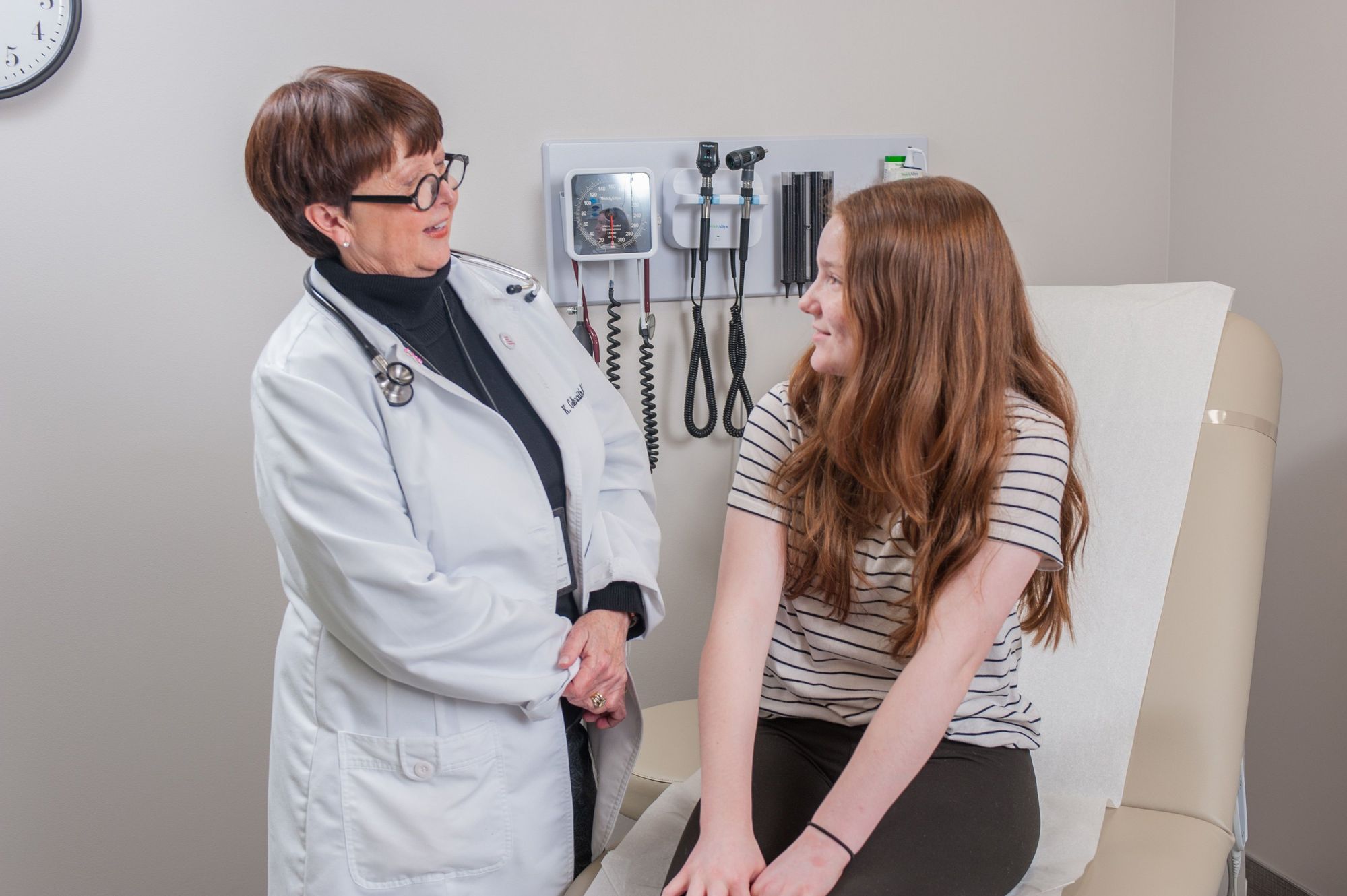
Summer is here — and with it comes sunshine, fresh air, and more opportunities to get active. Summer sports and outdoor activities increase the risk of injury, making it important to know how to prevent them, and when to seek medical help.
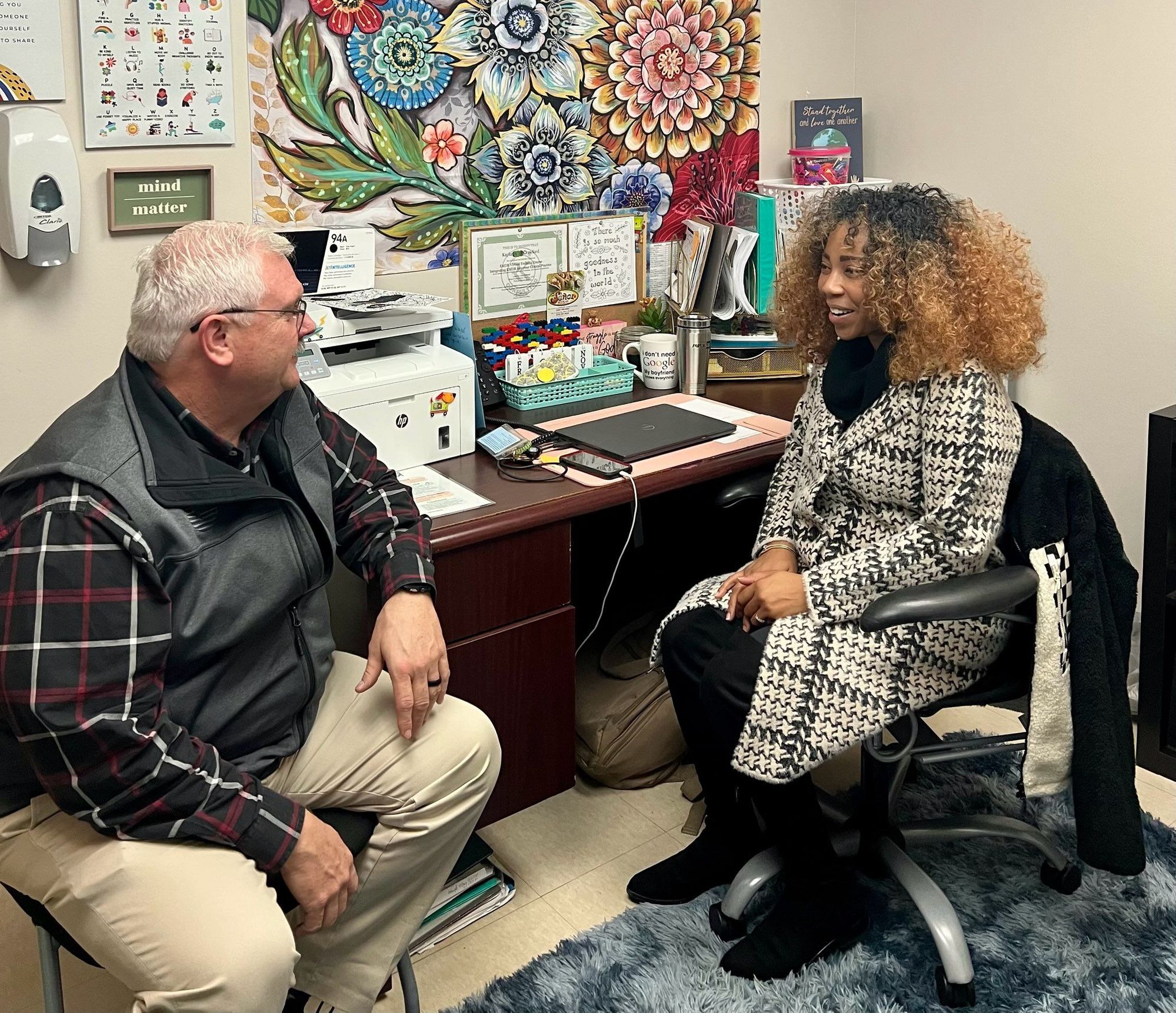
Over the years, a quiet crisis unfolded in Jefferson County, MO as several students died by suicide, leaving communities devasted and searching for answers.
The loss was heartbreaking—and it was clear that something had to change.
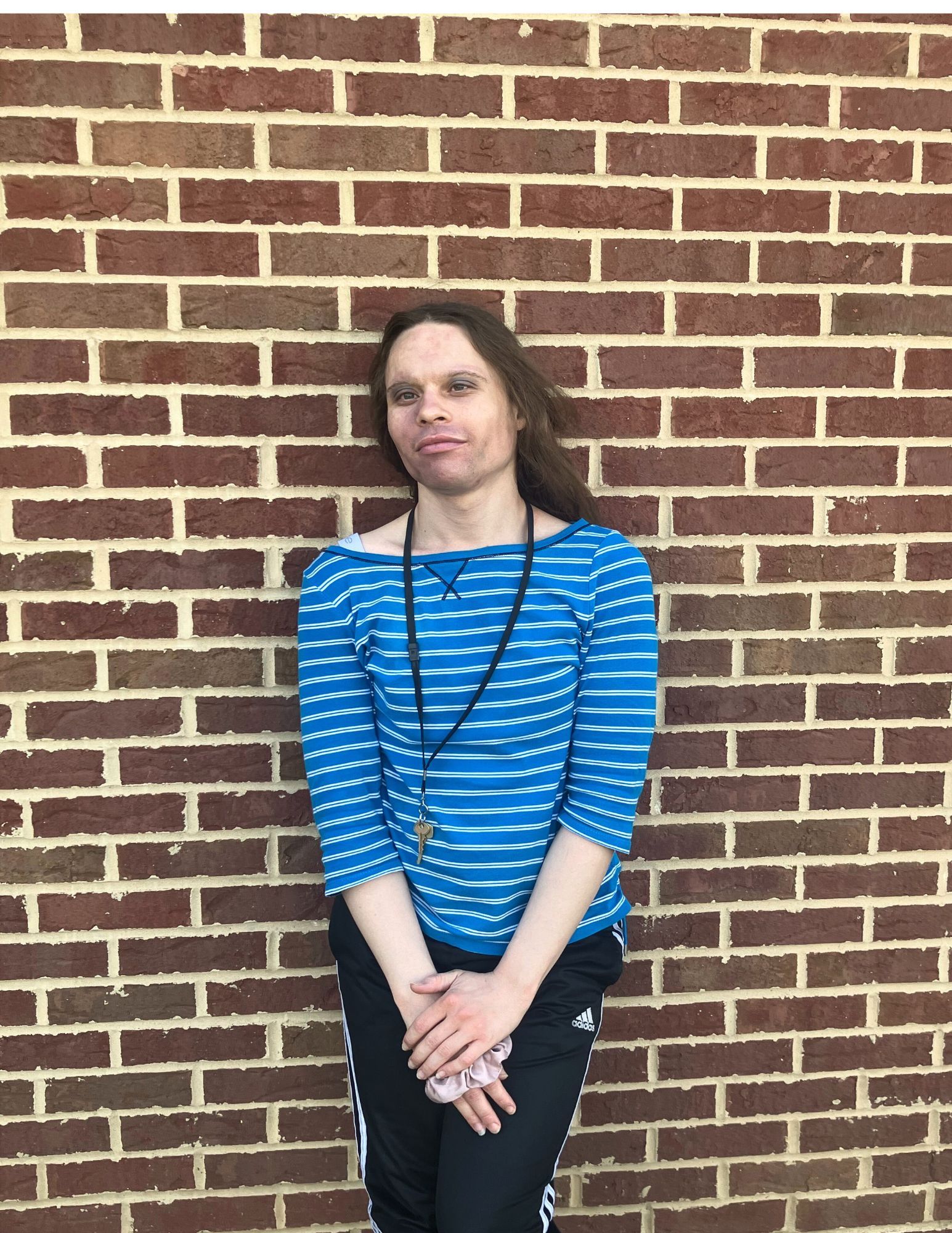
Venus Marshall, 36, says there was a constant "noise" she associated with being unhoused. "Everyone on the street had a bag and a story," she said of that time. Many had lost their jobs or homes, and families. It was a life of surfing couches and sleeping on benches, where she was often robbed and even assaulted.
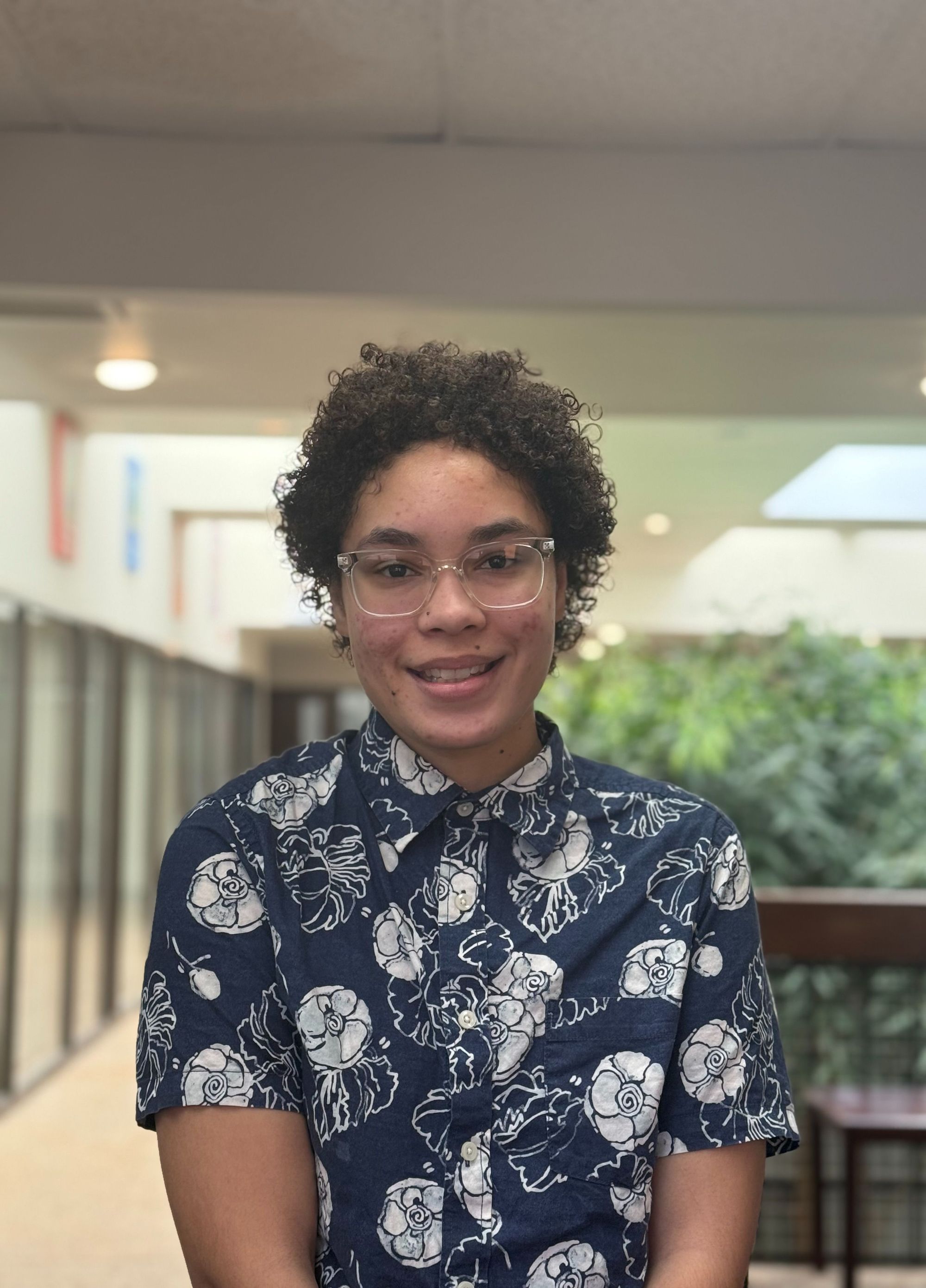
Faith Granberry, Cahokia, IL, works full time but doesn't make enough money to cover healthcare expenses. She relied on Medicaid in foster care. She now worries that Medicaid cuts would affect her ability to afford healthcare. "Medical debt is a big reason people become homeless in America," she said. It's a realistic fear for her as she has experienced homelessness before.