



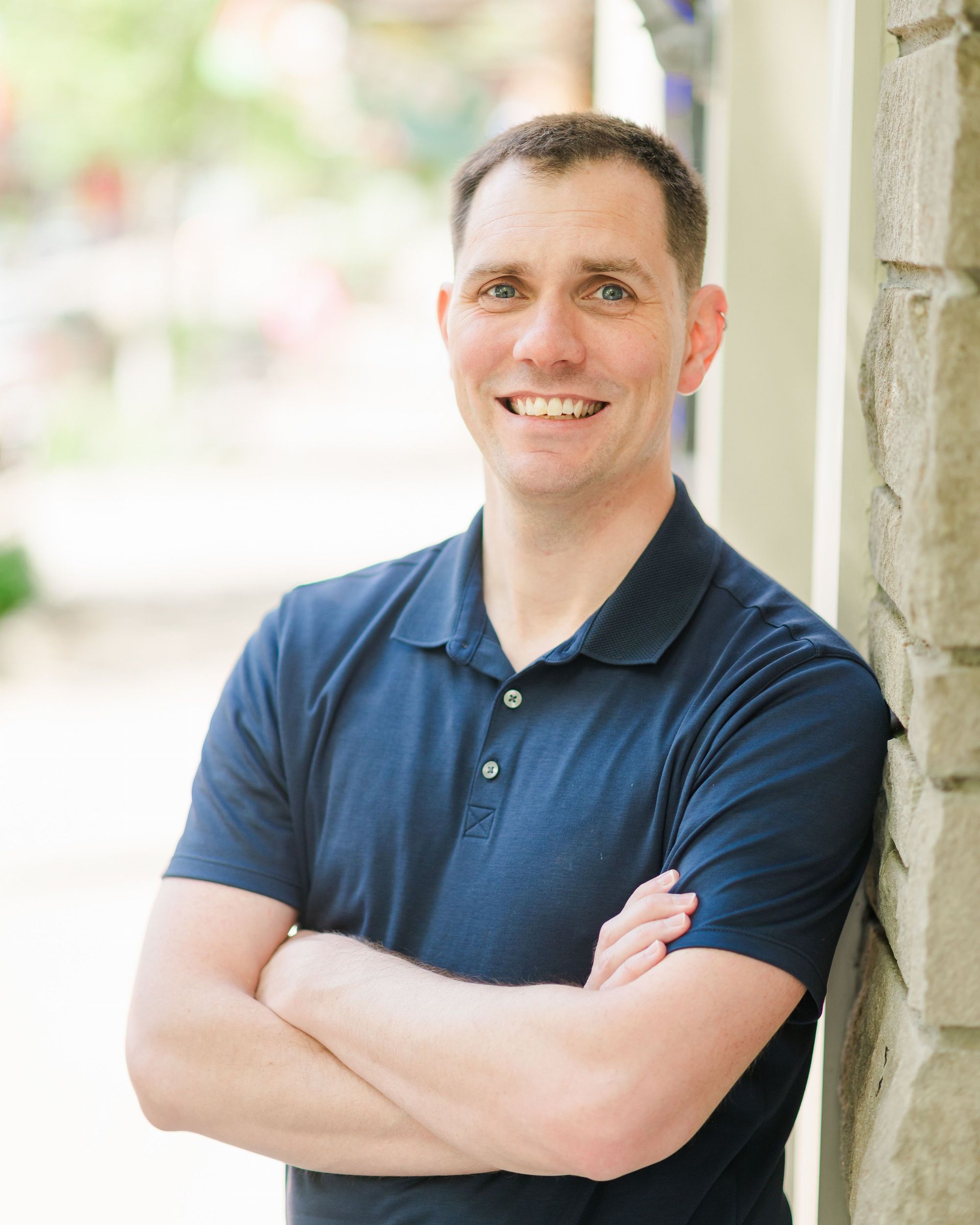
Bryan Hinman has built a career around helping people change their lives. At Chestnut Health Systems™, his work blends compassion, structure, and second chances, both in the community and in the classroom.

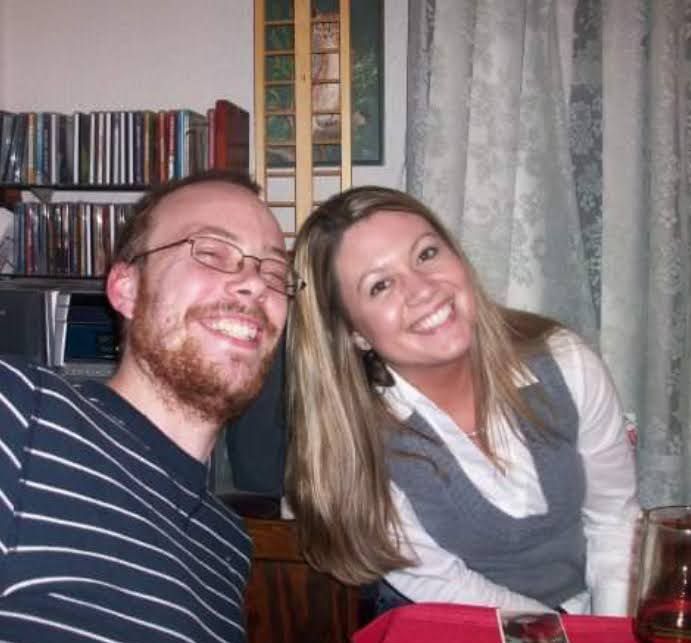
Faith Granberry had a hard time finding a job on her own. After joining the Individual Placement and Support (IPS) program at Chestnut Health Systems and working with an employment specialist, she was able to find the right opportunity and start a new chapter.
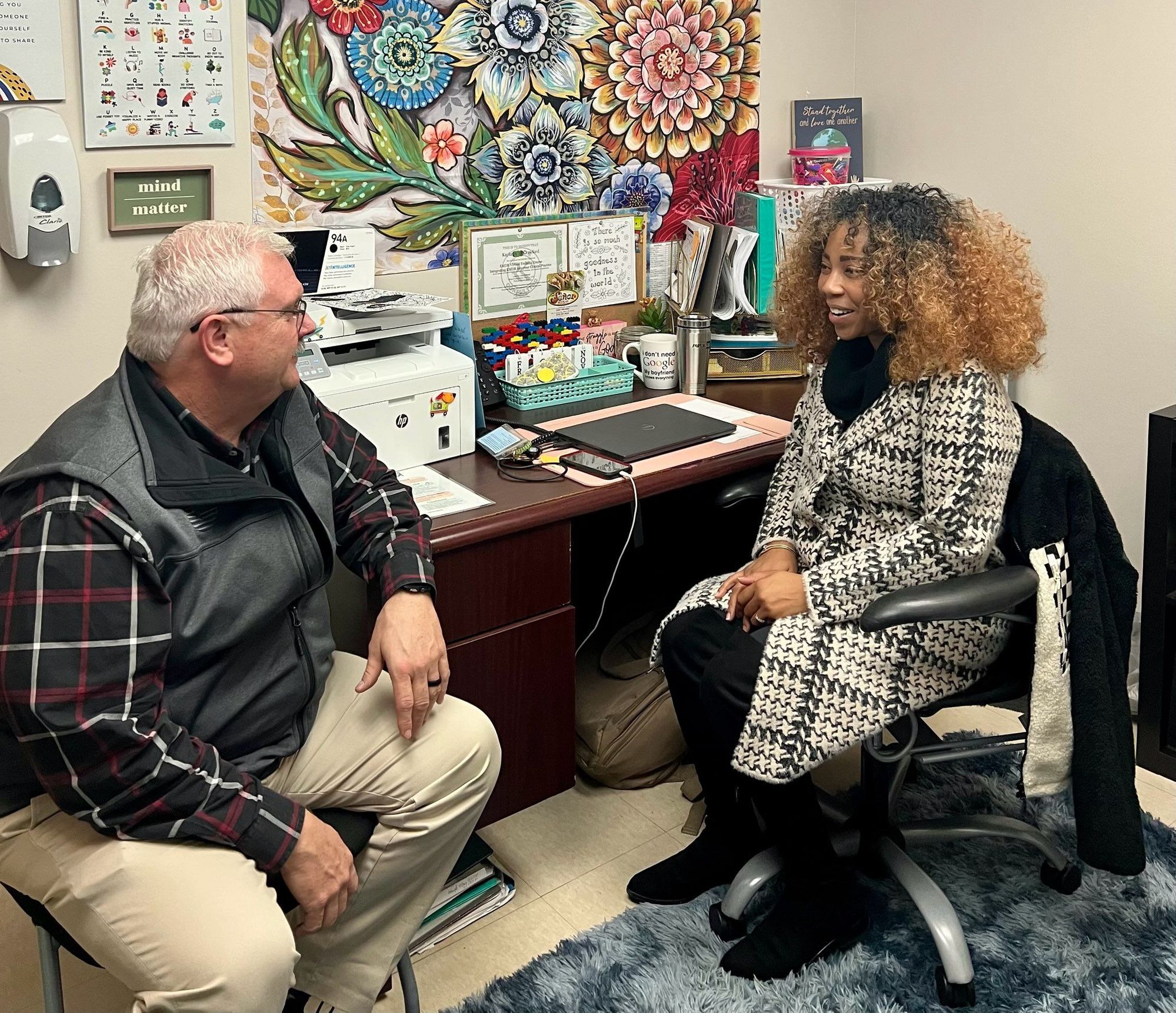
Ryan Hill once woke up with a sheet over his head.
The future Chestnut Peer Specialist / Clinician peeled the sheet off to reveal shocked nurses. He had been dead for two minutes.
Not a lot of people get a second chance. Hill has done a lot with his.
Over the years, a quiet crisis unfolded in Jefferson County, MO as several students died by suicide, leaving communities devasted and searching for answers.
The loss was heartbreaking—and it was clear that something had to change.
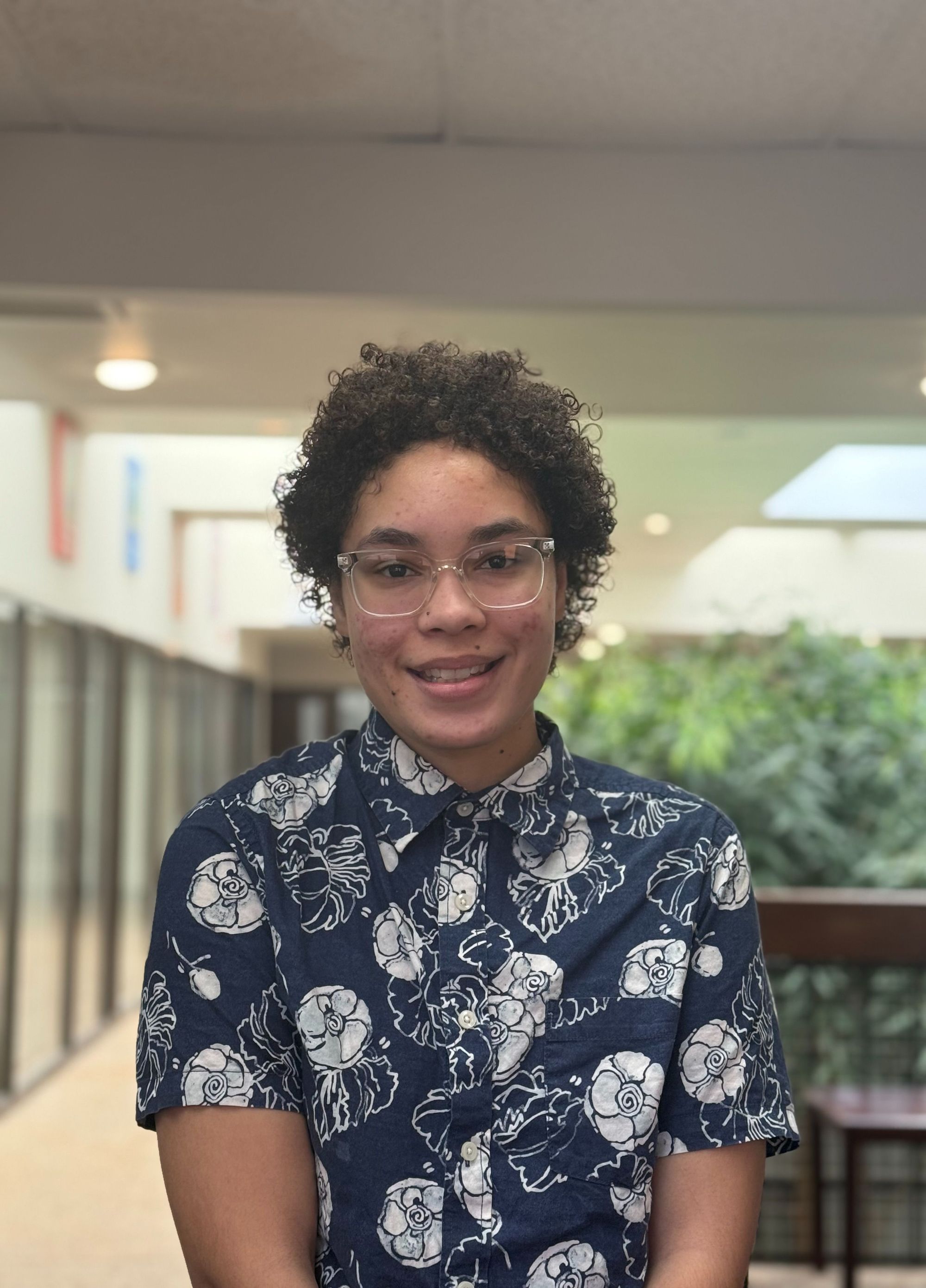
Faith Granberry, Cahokia, IL, works full time but doesn't make enough money to cover healthcare expenses. She relied on Medicaid in foster care. She now worries that Medicaid cuts would affect her ability to afford healthcare. "Medical debt is a big reason people become homeless in America," she said. It's a realistic fear for her as she has experienced homelessness before.